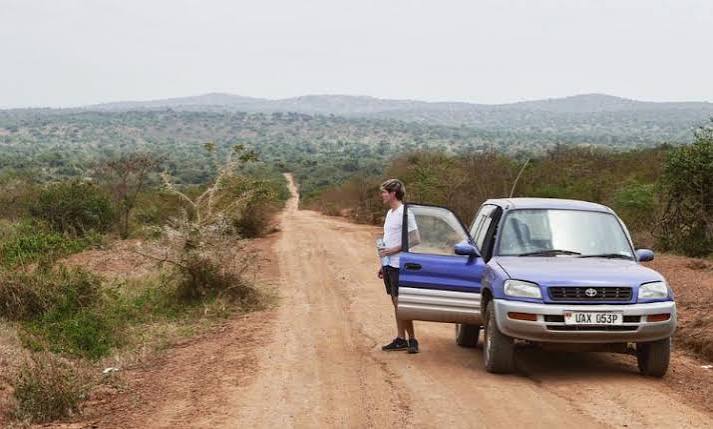
Uganda is one of East Africa’s most rewarding destinations to explore by road. From the rolling hills of Kabale to the wildlife-rich plains of Murchison Falls National Park, having your own vehicle gives you the freedom to move at your own pace. But if this is your first time arranging car hire in Uganda, the process can feel unfamiliar. This guide walks you through everything you need to know before you book, so your trip starts smoothly from the moment you land.
Why Car Hire Is the Best Way to Explore Uganda
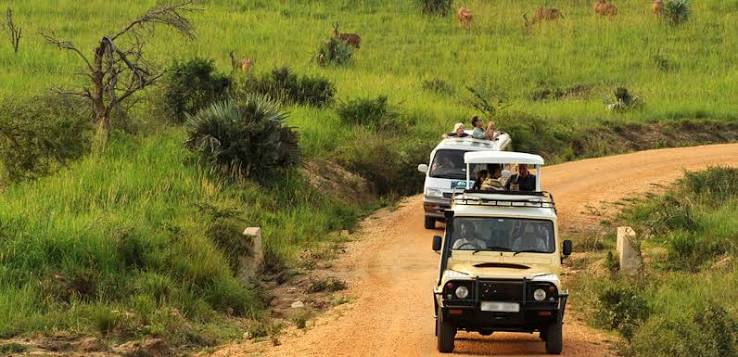
Public transport in Uganda is affordable but unpredictable, especially once you leave Kampala or Entebbe. Buses and shared taxis (matatus) follow loose schedules, and reaching remote parks like Kidepo Valley or Semuliki without your own vehicle can take days longer than necessary. Car hire gives you control over your itinerary, lets you stop for photos, wildlife sightings, or roadside markets, and removes the stress of coordinating multiple transfers between destinations.
For travelers combining a city stay with a safari, car hire also bridges the gap neatly. You can spend a few days in Kampala, then head straight to Queen Elizabeth National Park or Lake Bunyonyi without switching transport providers.
Documents You’ll Need Before Booking
Before you book a car hire in Uganda, make sure you have the right paperwork ready. Requirements typically include:
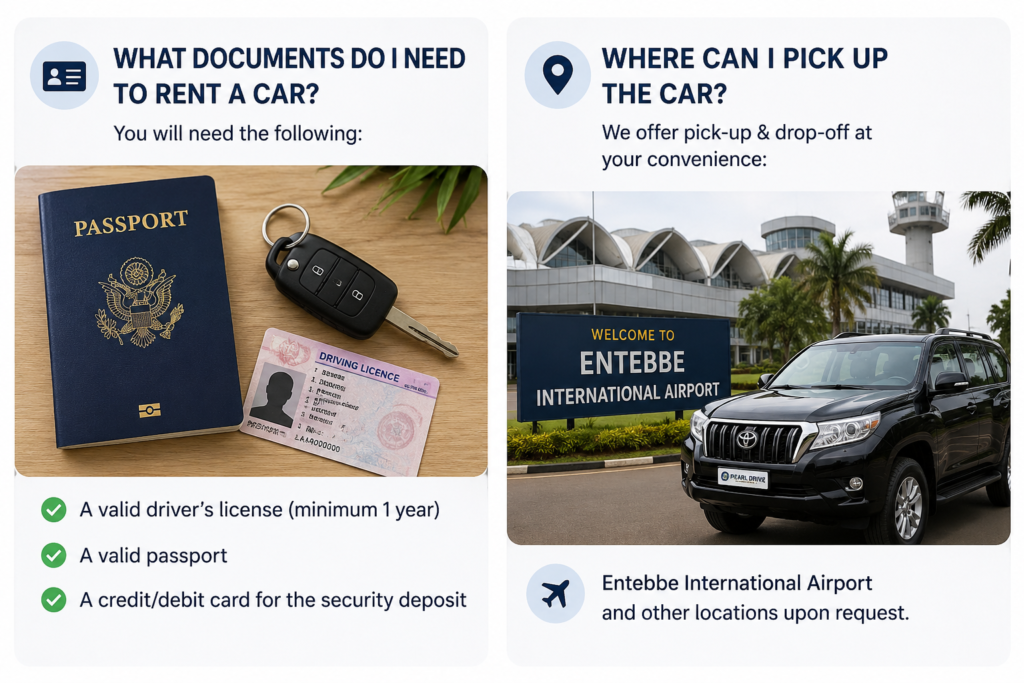
- A valid driver’s license — an International Driving Permit (IDP) is strongly recommended alongside your national license, particularly for self-drive rentals.
- A valid passport — used for identity verification and, in some cases, as security alongside a deposit.
- A credit or debit card — most rental companies require a refundable security deposit, either in cash or held on a card.
- Proof of accommodation or itinerary — some providers ask for this when arranging airport pickup or multi-day rentals.
If you’re unsure which documents apply to your nationality or trip type, it’s worth confirming directly with your rental provider before arrival to avoid delays at pickup.
Self-Drive or Chauffeur-Driven: Which Should You Choose?
This is the first major decision every first-time visitor faces. Self-drive works well if you’re an experienced driver, comfortable with manual transmissions, and confident navigating unfamiliar roads — some of which are unpaved once you leave major towns.
Chauffeur-driven car hire is the more popular choice for first-time visitors, and for good reason. Ugandan roads can be challenging outside major cities, with unmarked turns, variable surface quality, and driving customs that take time to learn. A local driver already knows the routes, handles police checkpoints smoothly, and can double as an informal guide, pointing out places to stop along the way. For safari trips specifically, drivers experienced with 4×4 vehicles and park terrain add real value, since navigating game-viewing tracks is very different from driving on tarmac.
What Does Car Hire Cost in Uganda?
Costs vary depending on vehicle type, rental duration, and whether you choose self-drive or chauffeur-driven service. As a general guide:
- Compact SUVs like the Toyota RAV4 suit couples or small families exploring cities and nearby attractions.
- Mid-size 4x4s like the Mitsubishi Pajero offer a balance of comfort and capability for mixed city-and-safari itineraries.
- Larger 4x4s like the Toyota Land Cruiser or Land Cruiser Prado TX are better suited to longer safari routes and rougher terrain.
- Vans are a practical option for groups or families traveling together.
Chauffeur-driven hire typically costs more than self-drive due to the added driver fee, but many visitors find the extra cost worthwhile for the convenience and local knowledge it provides.
Choosing the Right Vehicle for Your Trip
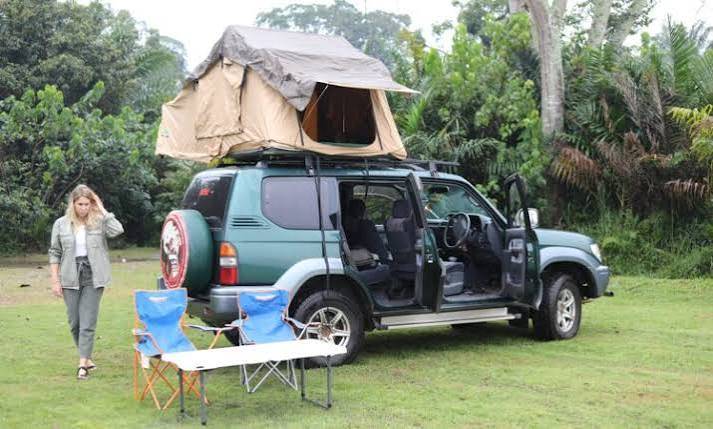
Matching the vehicle to your itinerary matters more than most first-time visitors expect. A saloon car might be fine for Kampala and Entebbe, but national parks require genuine 4×4 capability, particularly during the rainy seasons (March–May and September–November) when murram roads soften considerably.
If your trip includes destinations like Bwindi Impenetrable Forest, Kidepo Valley, or Kibale National Park, prioritize a 4×4 with good ground clearance. For city-based trips or airport transfers only, a smaller vehicle like the RAV4 is more fuel-efficient and easier to park.
Pearl Drive’s fleet of self-drive and chauffeur-driven vehicles covers this full range, from city-friendly SUVs to safari-ready Land Cruisers, so you can match the vehicle to your route rather than compromising.
Fuel, Insurance, and Extra Costs to Budget For
Fuel is typically not included in the rental price and is paid separately based on usage. Prices fluctuate, so it’s worth checking current rates before your trip and budgeting accordingly, especially for longer safari routes where fuel stops can be limited.
Basic insurance is usually included in the rental agreement, but coverage levels vary by provider. Ask specifically what’s covered — third-party liability, collision damage, theft — and whether additional cover is available for extra peace of mind. It’s also worth confirming what happens in the event of a breakdown or accident, including whether roadside assistance is included.
Other costs to factor in include park entry fees (if self-driving into national parks), tolls on certain routes, and any additional driver fees if more than one person will be driving.
Road Rules and Driving Conditions in Uganda
Uganda drives on the left, and traffic in Kampala can be dense during peak hours. Outside the city, road quality varies significantly — main highways connecting major towns are generally well maintained, but routes into rural areas and parks are often unpaved.
Speed bumps are common near trading centers and aren’t always well marked, so cautious driving through towns is essential. Police checkpoints are routine and generally straightforward if your documents are in order. If you’re self-driving, it’s worth reviewing basic road etiquette in Uganda, including how to handle boda boda (motorcycle taxi) traffic, which is heavy and often unpredictable in urban areas.
Booking Tips for a Smooth Experience
A few practical tips can save first-time visitors unnecessary stress:
- Book in advance, especially during peak travel seasons (June–September and December–February), when demand for 4×4 vehicles rises sharply.
- Confirm airport pickup arrangements ahead of time if arriving at Entebbe International Airport.
- Ask about mileage limits, since some rentals cap daily or trip mileage with extra charges beyond that.
- Clarify the cancellation and refund policy before paying any deposit.
- Inspect the vehicle carefully at pickup and note any existing damage before driving off.
In Summary
Car hire in Uganda opens up the country in a way public transport simply can’t match, but a little preparation goes a long way for first-time visitors. Knowing your documents, matching your vehicle to your route, and deciding early between self-drive and chauffeur-driven service will set your trip up for success.
If you’re planning a visit to Uganda and want a straightforward, reliable car hire experience, get in touch with our team to discuss your route and vehicle needs, or email us directly at book@pearldrivecarrental.com.
About the Author


