Traveling to Uganda on a budget doesn’t mean you have to settle for an unreliable vehicle or a risky rental deal. Whether you’re a backpacker exploring Kampala, a family planning a road trip to Jinja, or a tourist heading toward the national parks, finding cheap car hire in Uganda is possible — as long as you know what to look for. This guide breaks down how pricing works, what affects your rate, and how to avoid the common traps that turn a “cheap” rental into an expensive mistake.
What “Cheap” Really Means in Uganda’s Car Hire Market
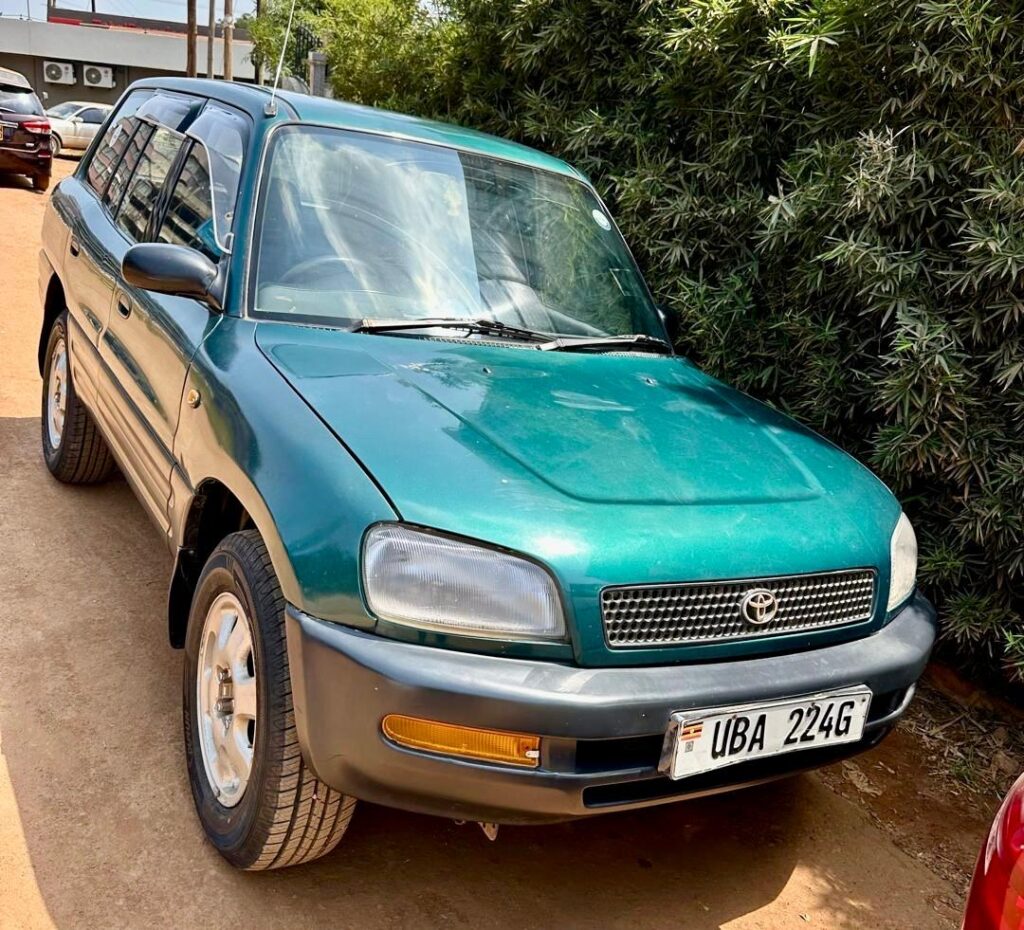
When people search for cheap car hire in Uganda, they’re usually not looking for the absolute lowest price on the market — they’re looking for fair value. A genuinely affordable rental should still include comprehensive insurance, a roadworthy vehicle, transparent pricing with no hidden charges, and support if something goes wrong on the road.
The car hire market in Uganda ranges widely. At the low end, you’ll find informal operators renting older vehicles with minimal insurance coverage. At the high end, luxury and safari-specialist companies charge premium rates for late-model 4x4s with full support packages. The sweet spot for most travelers sits in the middle: a well-maintained, insured vehicle at a rate that reflects its actual condition and service — not the cheapest number you can find, but the best value for what you’re paying.
Understanding this distinction early helps you evaluate rental quotes properly instead of just comparing sticker prices.
Factors That Drive Car Hire Prices Up or Down
Several variables determine what you’ll actually pay for a rental in Uganda, and knowing them puts you in a better position to negotiate or plan around them.
Season. Uganda’s peak tourist season (June to September and December to February) sees higher demand for self-drive and safari vehicles, which pushes prices up. Booking during the shoulder or low season can save you a significant percentage on the same vehicle.
Vehicle type. A compact sedan for city driving will always cost less than a 4×4 built for rough terrain. If your trip doesn’t require off-road capability, choosing the right vehicle class for your actual itinerary — rather than over-renting “just in case” — is one of the easiest ways to cut costs.
Rental duration. Daily rates typically drop the longer you rent. A one-day hire will cost more per day than a two-week hire, since companies factor in weekly or monthly discounts to keep vehicles on the road longer.
Fuel policy. Some companies include fuel in the quoted rate; others require you to return the vehicle with a full tank. Always clarify this upfront, since it can meaningfully change your total cost.
Driver option. Self-drive is generally cheaper than chauffeur-driven hire, since you’re not paying for a driver’s daily allowance, accommodation, or meals on multi-day trips.
Location and pickup point. Airport pickups (such as Entebbe) sometimes carry a small premium compared to city-center pickups, due to airport access fees.
Self-Drive vs. Chauffeur-Driven: Which Saves You More

This is one of the most common questions from travelers trying to keep costs down. Self-drive is almost always the cheaper option on paper — you avoid daily driver fees entirely. It also gives you full control over your schedule, which suits independent travelers comfortable navigating Uganda’s roads.
However, chauffeur-driven hire can end up saving money in specific situations. If you’re unfamiliar with driving on the left side of the road, navigating Kampala’s traffic, or handling rural and park terrain, a driver reduces the risk of accidents, fines, or vehicle damage — all of which cost far more than a driver’s daily rate. For safari trips into national parks, a driver-guide often pays for itself through local knowledge, wildlife spotting, and avoiding wrong turns that waste fuel and time.
If your main goal is minimizing cost and you’re a confident driver with some local road experience, self-drive is the way to go. If you’re new to Uganda or traveling with family, a low-cost chauffeur option may actually be the more economical and safer choice overall.
Red Flags to Avoid With Ultra-Low-Priced Rentals
Not every cheap quote is a good deal. Some of the lowest prices on the market come with trade-offs that end up costing renters far more than they saved. Watch out for:
Hidden fees. Some operators quote an attractive base rate, then add charges for mileage limits, “service fees,” cleaning, or airport pickup that aren’t disclosed until you’re signing the contract. Always ask for a full breakdown before booking.
No insurance or inadequate coverage. A vehicle with no insurance, or only the legal minimum, leaves you exposed if there’s an accident or theft. Confirm exactly what’s covered and what your liability would be.
Poor vehicle maintenance. Older vehicles rented at rock-bottom prices are more likely to break down, especially on rural roads or safari routes where a breakdown can strand you far from help. Ask about the vehicle’s age, service history, and what happens if it fails during your trip.
No support line or physical office. If a company has no verifiable address, phone number, or way to reach them in an emergency, that’s a serious risk — particularly for self-drive trips into remote areas.
Vague contracts. A rental agreement that doesn’t clearly state fuel policy, mileage limits, damage responsibility, and cancellation terms leaves too much room for disputes later.
A slightly higher price from a transparent, well-reviewed company is almost always a better deal than the cheapest option with unclear terms.
How Pearl Drive Keeps Rates Competitive Without Sacrificing Quality
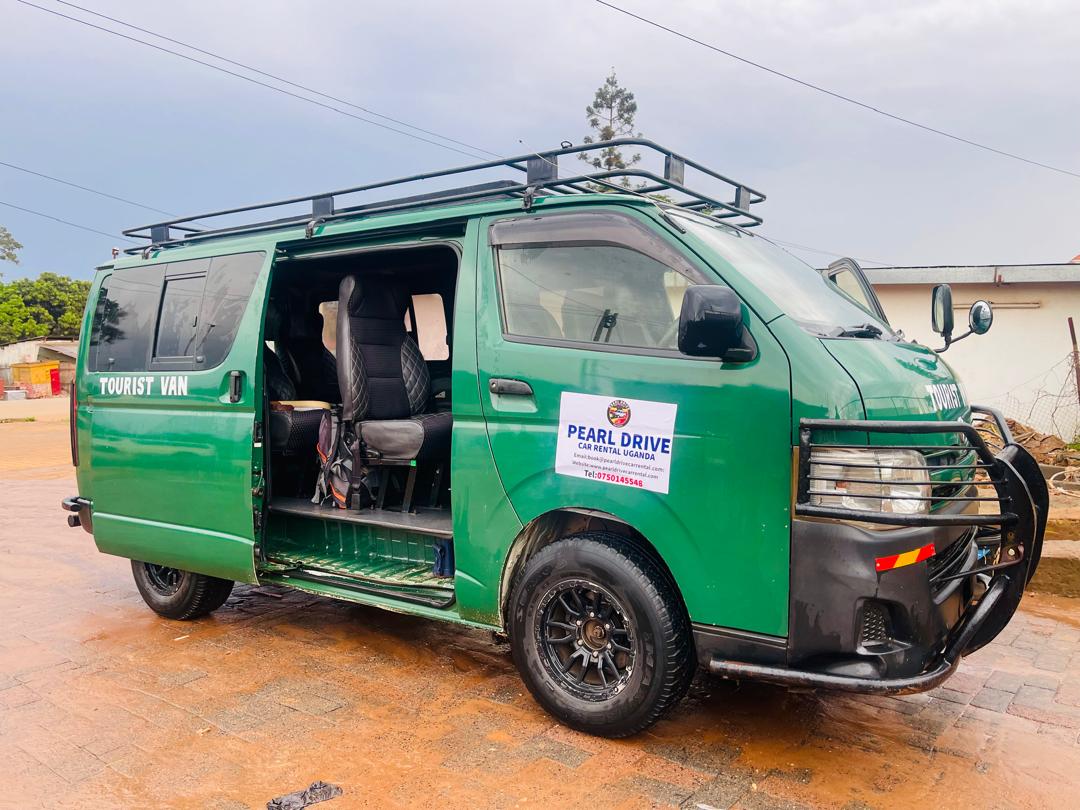
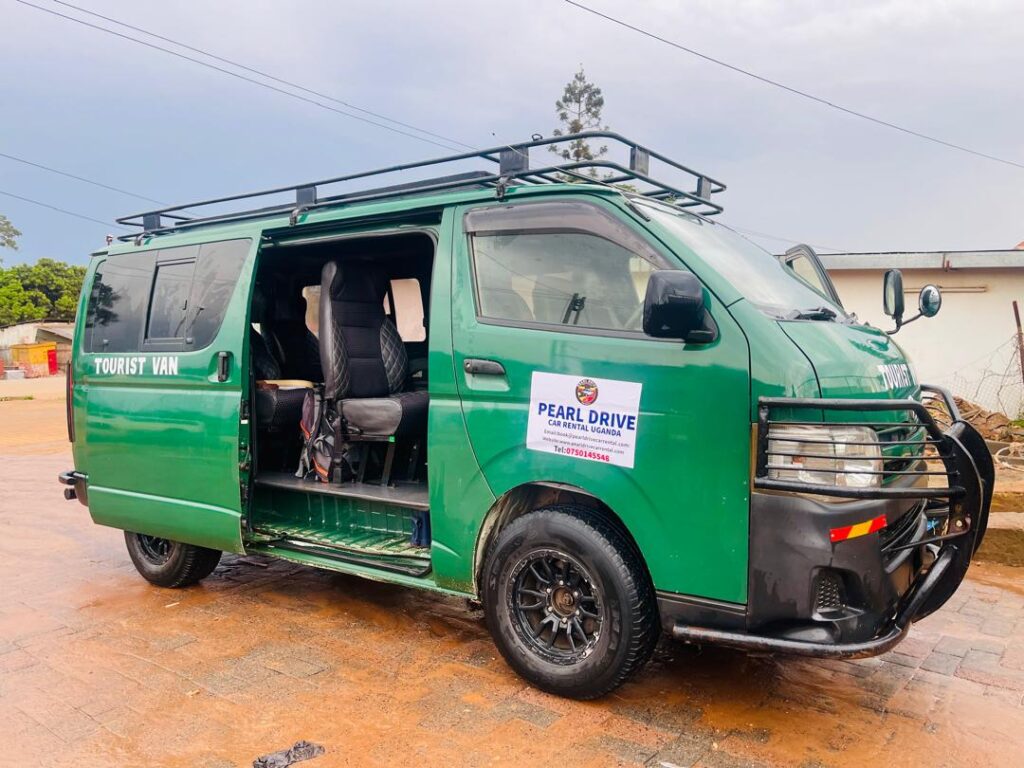
At Pearl Drive Car Rental, affordability doesn’t come at the expense of safety or reliability. Every vehicle in the fleet — from compact self-drive cars to 4×4 safari vehicles — is maintained to a consistent standard and comes with clear, upfront pricing. There are no hidden charges buried in the fine print, and every rental includes proper insurance coverage.
Competitive rates are achieved through efficient fleet management and flexible rental terms, not by cutting corners on vehicle condition. Whether you’re booking a short self-drive rental around Kampala or a longer safari trip to Murchison Falls or Queen Elizabeth National Park, the goal is the same: a fair price for a dependable vehicle, backed by responsive support if you need it during your trip.
Tips for Getting the Best Deal

A few practical habits can meaningfully lower your total rental cost:
Book in advance. Last-minute bookings, especially during peak season, often come with limited availability and higher prices. Reserving your vehicle a few weeks ahead gives you more negotiating room and better vehicle selection.
Travel during the low season. If your schedule is flexible, traveling outside June–September and December–February typically means lower rates and better vehicle availability.
Rent for longer periods. If you’re already planning a multi-day trip, extending it slightly to hit a weekly rate threshold can lower your effective daily cost.
Choose the right vehicle for your actual route. Don’t pay for a 4×4 if your trip is entirely on paved roads, and don’t under-rent for a safari that genuinely requires off-road capability.
Ask about combined packages. Some companies offer better rates when you bundle airport transfer with a longer rental, rather than booking them separately.
Compare total cost, not just the daily rate. Factor in fuel policy, insurance, and any mileage caps before comparing two quotes side by side.
Sample Price Ranges by Vehicle Category
While exact rates vary by season and rental duration, cheap car hire in Uganda generally falls into a few broad categories:
- Compact sedans (e.g., city driving, short trips): the most budget-friendly option, ideal for travelers staying within Kampala or nearby towns.
- SUVs and crossovers (e.g., RAV4): a mid-range option offering more comfort and some off-road capability, suited to travelers combining city and light rural driving.
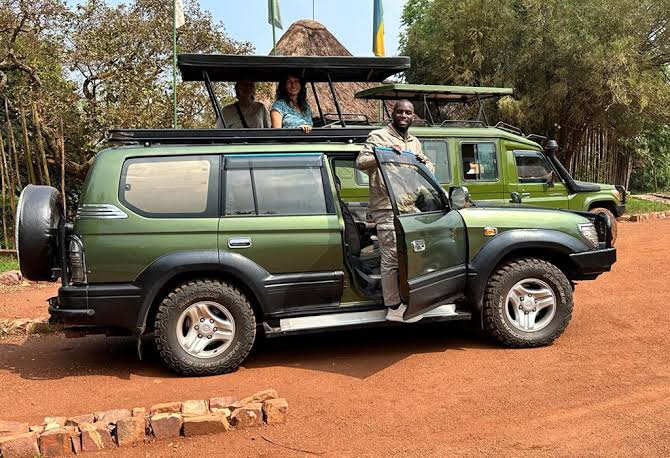
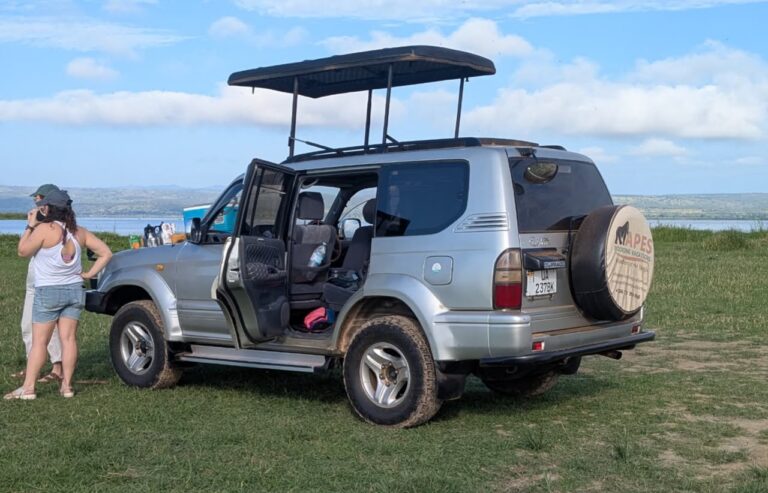
- 4×4 safari vehicles (e.g., Land Cruiser, Pajero): priced higher due to specialized capability, but essential for national park terrain and longer safari itineraries.
Requesting a direct quote based on your specific dates, route, and vehicle preference is the most accurate way to know what you’ll actually pay.
Final Checklist Before You Book
Before confirming any rental, run through this quick checklist to make sure you’re getting genuine value:
- Is the total price clearly broken down, with no vague or undisclosed fees?
- Does the rate include comprehensive insurance?
- Is the vehicle’s age and condition clearly stated?
- Is fuel policy explained upfront?
- Is there a mileage limit, and does it suit your planned route?
- Can you reach the company directly by phone if something goes wrong?
- Does the rental agreement clearly outline damage responsibility and cancellation terms?
Cheap car hire in Uganda doesn’t have to mean risky car hire. By understanding what drives pricing, knowing which corners are safe to cut and which aren’t, and working with a transparent operator, you can travel affordably while still having a reliable vehicle for your trip.
Ready to book? Contact Pearl Drive Car Rental at book@pearldrivecarrental.com or +256750145548 for a straightforward quote tailored to your travel dates and route.
About the Author