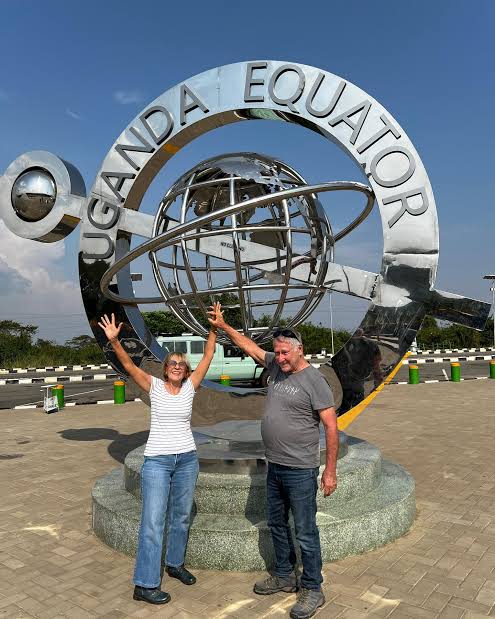
Uganda is one of Africa’s most rewarding travel destinations, offering beautiful landscapes, rich wildlife, friendly people, and unforgettable cultural experiences. From the famous Murchison Falls to the peaceful shores of Lake Bunyonyi, there is plenty to discover without spending a fortune.
The good news is that you do not need a huge budget to explore Uganda. With proper planning, affordable transport, and the right choice of accommodation and activities, you can enjoy an incredible Ugandan adventure while keeping your expenses under control.
At Pearl Drive Car Rental Uganda, we understand that travellers want to explore more while spending wisely. This guide explains how to explore Uganda on a budget and make the most of your trip.
1. Plan Your Trip in Advance
One of the best ways to explore Uganda on a budget is to plan your journey before arriving. Having a clear itinerary helps you estimate your expenses, choose affordable accommodation, and avoid unnecessary travel costs.
Start by identifying the places you want to visit. Popular destinations include Kampala, Jinja, Murchison Falls National Park, Queen Elizabeth National Park, Lake Mburo National Park, and Bwindi Impenetrable National Park.

Instead of visiting every destination in one trip, select places that match your interests and budget. For example, travellers interested in wildlife can combine Murchison Falls with Ziwa Rhino Sanctuary, while those interested in adventure can visit Jinja for rafting, boat trips, and nature walks.
Planning your route carefully also reduces unnecessary driving and transport expenses.
2. Travel During the Low Season
The time of year you visit Uganda can affect your travel budget. During quieter tourism periods, some accommodation providers and tour operators may offer lower rates or special deals.
Uganda’s wetter months generally include March to May and October to November, although weather conditions vary by region. These periods can be suitable for travellers looking for fewer crowds and potential savings.
However, heavy rain can make some rural roads difficult to navigate, especially in national parks and remote areas. If you plan to visit wildlife destinations, choose your travel dates carefully and check local road conditions.
Travelling during the quieter season can help you save money, but always balance the potential savings against weather conditions and your planned activities.
3. Choose Affordable Accommodation
Accommodation is an important part of your travel budget. Fortunately, Uganda offers several options for different spending levels.
Budget travellers can consider guesthouses, hostels, affordable hotels, community lodges, and campsites. These options can provide comfortable accommodation without the high prices associated with luxury hotels.

In Kampala and Entebbe, staying slightly outside the busiest areas may help you find better rates. In towns near national parks, consider locally owned accommodation or lodges that offer simple rooms and essential facilities.
Before booking, compare prices and check what is included. Some accommodation providers offer breakfast, parking, or other useful services that can reduce your overall expenses.
For safari destinations, book accommodation close to your planned activities where possible. A cheaper room far from the park entrance may increase your transport costs.
4. Use Affordable Transport
Transport can account for a significant portion of your travel expenses in Uganda. Choosing the right transport option can help you stay within your budget.
Public transport, including buses and shared taxis, is generally more affordable for travelling between major towns. It can be a good choice if you are travelling alone, carrying limited luggage, and following a flexible itinerary.
However, public transport may not take you directly to remote attractions, national park gates, lodges, or wildlife viewing areas. You may need additional transport to reach your final destination.
For travellers visiting several places, hiring a vehicle can provide greater flexibility and convenience.
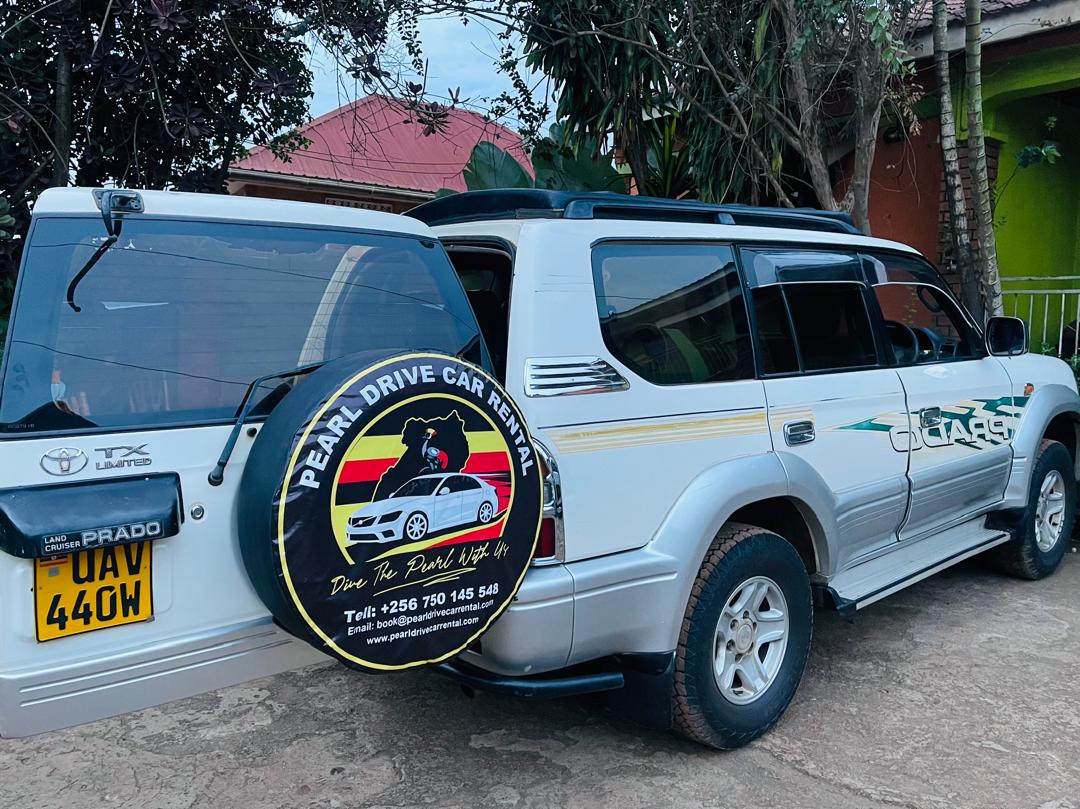
Pearl Drive Car Rental Uganda offers vehicle hire options for travellers who want to explore the country at their own pace. Depending on your itinerary, you can choose a suitable vehicle for city travel, countryside journeys, or safari adventures.
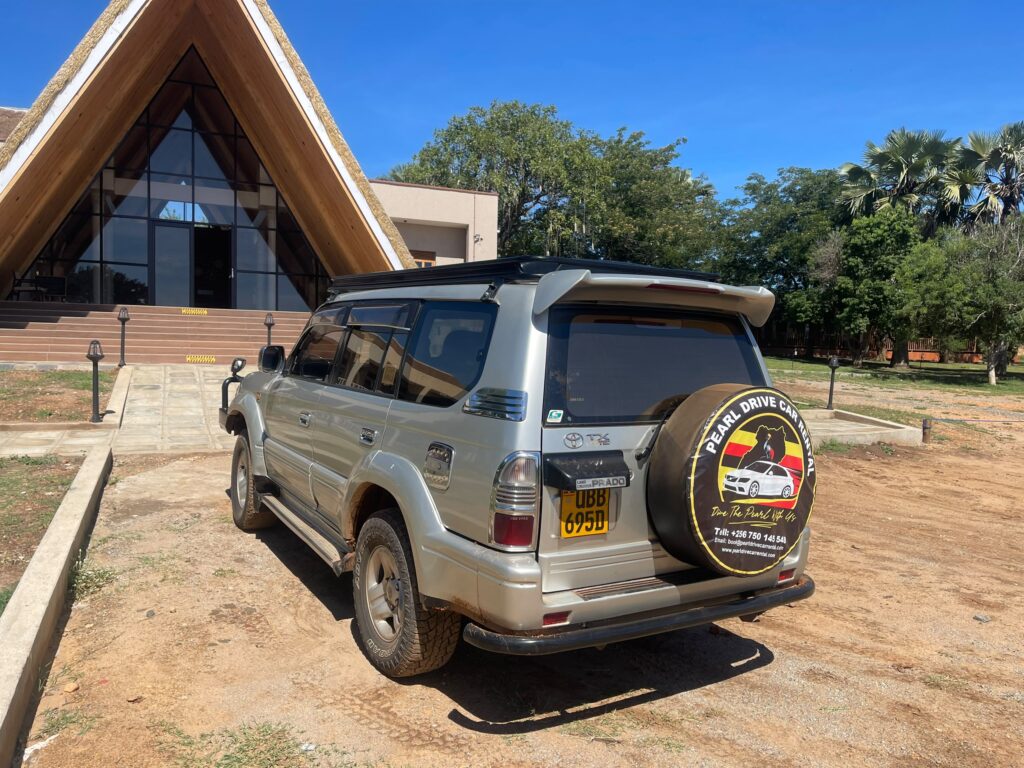
To manage costs, compare the total price of hiring a vehicle with your expected public transport expenses. Consider the number of travellers, distance, fuel, accommodation, and the destinations you plan to visit before deciding.
5. Explore Uganda’s Free and Affordable Attractions
You do not have to spend a lot of money to experience Uganda’s beauty. Many attractions offer memorable experiences at little or no cost, although some activities and sites require entrance fees.
Here are some places to consider.
Jinja: Known for its connection to the River Nile, Jinja offers scenic views, lively streets, local markets, and opportunities to explore the surrounding countryside. You can enjoy a walk around town or visit riverside areas without paying for expensive adventure activities.


Lake Victoria: Explore accessible lakeside areas around Entebbe and other locations. Enjoy the scenery, watch local fishing activities from appropriate public viewpoints, or relax by the water.
Kampala: Discover local markets, cultural landmarks, street food, and the city’s lively atmosphere. Some attractions charge entrance fees, so check the costs before visiting.
Sipi Falls: Located in eastern Uganda near Mount Elgon, Sipi Falls is famous for its waterfalls and beautiful scenery. You can explore the surrounding area and enjoy views of the countryside. Guided walks and waterfall visits may involve fees.

Lake Bunyonyi: This scenic lake in southwestern Uganda is known for its beautiful hills and islands. Travellers can enjoy the landscape, relax at lakeside accommodation, or choose activities that fit their budget.
These destinations show that Uganda has much more to offer than expensive safari packages.
6. Save Money on Food
Food is another area where budget travellers can save money without missing out on local experiences.
Uganda has a wide range of affordable local dishes. You can try matooke, beans, rice, posho, groundnut sauce, sweet potatoes, and other traditional meals at local restaurants.

Rolex, a popular Ugandan street food made with eggs and chapati, is also a convenient option for a quick and affordable meal.
Eating at clean local restaurants is often cheaper than dining at international hotels or tourist-focused restaurants. If your accommodation has cooking facilities, preparing some of your own meals may also help reduce expenses.
Remember to drink safe water and choose food vendors who maintain good hygiene.
7. Visit National Parks Wisely
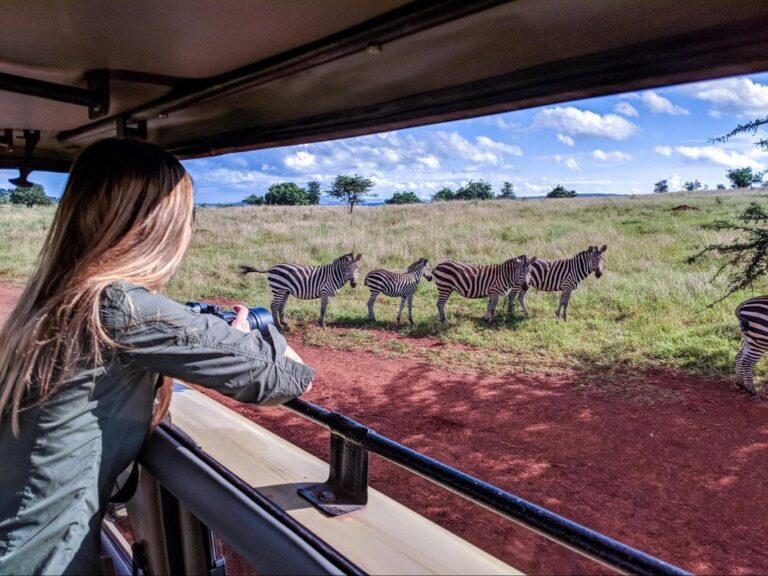
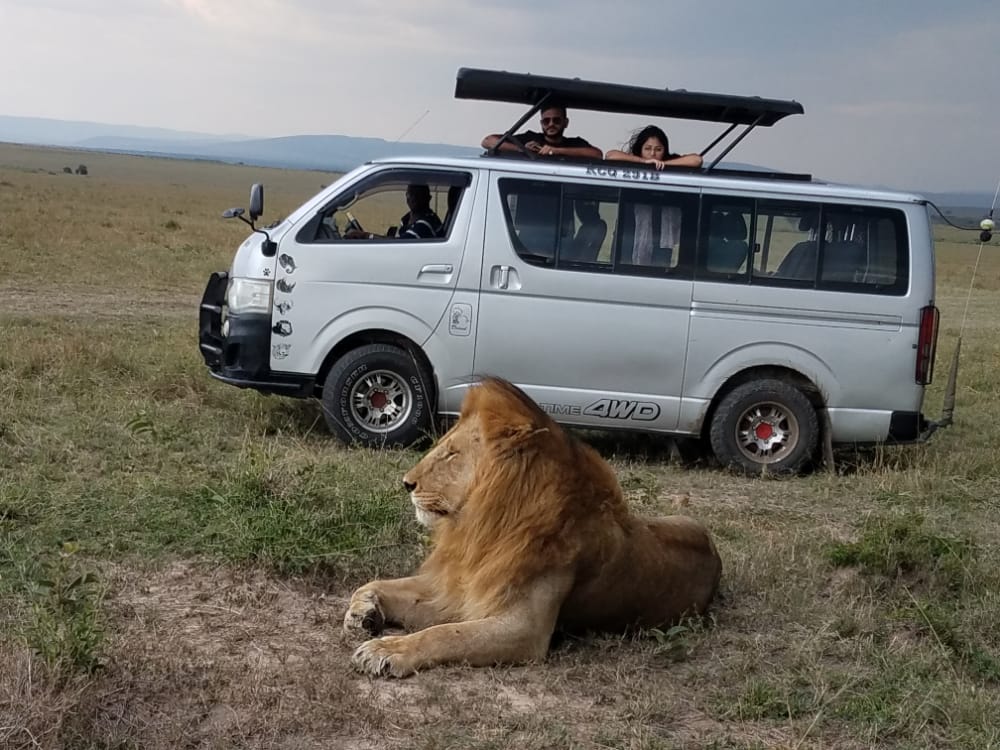
Uganda is famous for its wildlife, including elephants, lions, giraffes, buffaloes, hippos, and numerous bird species. However, national park visits can be expensive when you combine park entry fees, accommodation, transport, and guided activities.
The best approach is to choose your wildlife experiences according to your budget.
Murchison Falls National Park offers game drives, beautiful landscapes, and views of the powerful Murchison Falls. Lake Mburo National Park is another option for travellers interested in wildlife and nature.
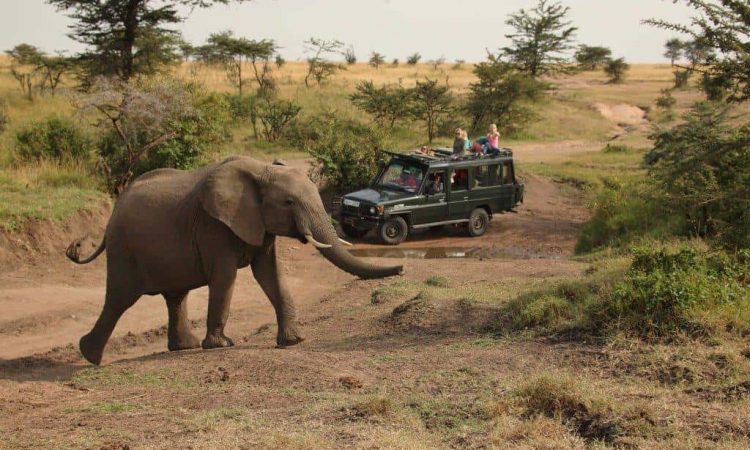
Queen Elizabeth National Park is known for its diverse wildlife and scenic landscapes, while Bwindi Impenetrable National Park is famous for mountain gorilla trekking.
Gorilla trekking requires a permit, which can be a major expense. If it is beyond your budget, consider other wildlife experiences that do not require the same level of spending.
Before visiting any national park, confirm the latest entrance fees, activity charges, and permit requirements with the relevant authorities.
Travelling with friends or family can also help you share certain costs, such as vehicle hire and some accommodation expenses, where arrangements and pricing allow.
8. Consider Self-Drive Car Hire
Self-drive car hire can be a practical option for travellers who want to explore Uganda independently.
Rather than depending on multiple transport arrangements, you can travel according to your own schedule and spend more time at the places that interest you.
The best vehicle depends on your route. A smaller vehicle may be suitable for many journeys on paved roads, while a 4×4 is often a better choice for remote destinations, rough roads, and some national park routes.
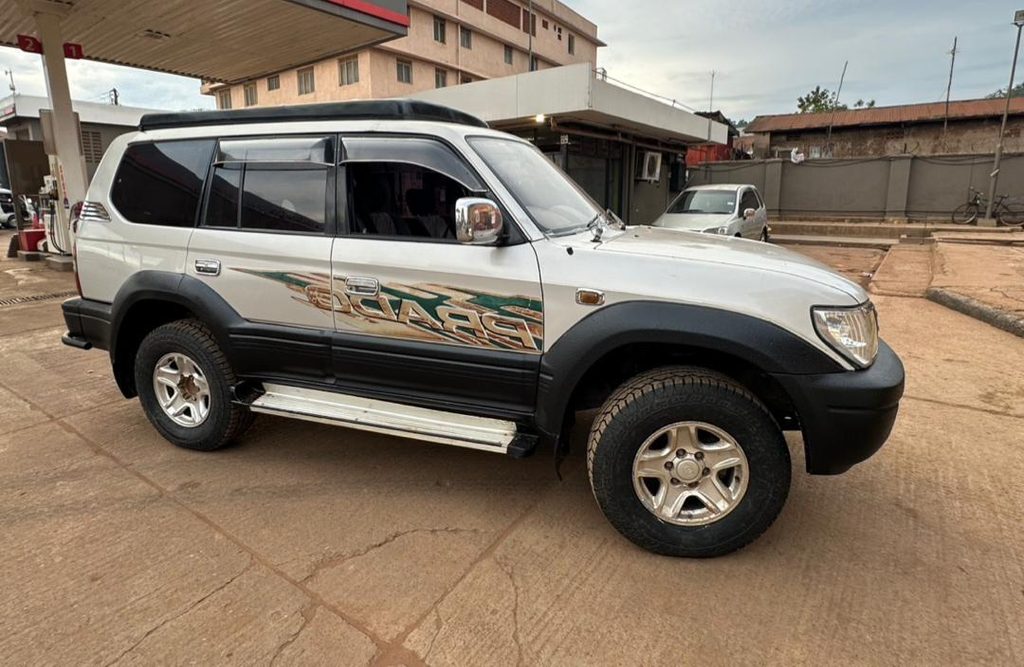
Before choosing a vehicle, consider the distance you will cover, the number of passengers, luggage space, road conditions, and fuel costs.
Pearl Drive Car Rental Uganda provides car hire options for visitors exploring Kampala, Jinja, national parks, and other destinations across the country.
When comparing rental offers, ask about insurance coverage, mileage limits, fuel arrangements, additional driver charges, and any security deposit. Understanding these details helps you avoid unexpected expenses.
If you are unfamiliar with Uganda’s roads or prefer not to drive yourself, hiring a vehicle with a driver can be a convenient alternative.
9. Support Local Businesses and Communities
Supporting local businesses is another way to enjoy Uganda while contributing to the communities you visit.
Buy fresh produce and handmade crafts from local markets, eat at locally owned restaurants, and consider community tourism experiences.
Local guides can introduce you to cultural traditions, historical sites, and places you might otherwise miss. In some destinations, community walks and cultural experiences offer excellent value for money.
When buying souvenirs, compare prices politely and purchase items you genuinely value.
Responsible tourism also means respecting local customs, protecting the environment, and following wildlife viewing rules.
10. Prepare a Daily Travel Budget
A daily budget helps you control your spending and avoid running out of money before your trip ends.
Divide your expected expenses into categories such as accommodation, food, transport, fuel, entrance fees, activities, and emergency expenses.
Keep some money aside for unexpected costs, including changes in transport arrangements, road delays, or additional accommodation.
You should also check whether your accommodation, tour package, or rental agreement includes any services you would otherwise pay for separately.
Avoid booking activities simply because they are popular. Choose experiences that match your interests and make your journey meaningful.
Conclusion: Explore More of Uganda for Less
Exploring Uganda on a budget is possible when you plan carefully, choose affordable accommodation, use suitable transport, and focus on experiences that offer good value.
From the River Nile in Jinja to the wildlife of Murchison Falls National Park and the peaceful beauty of Lake Bunyonyi, Uganda has something for every traveller.
You do not need to visit every destination or book the most expensive activities to enjoy the country. A well-planned itinerary can help you experience Uganda’s natural beauty, wildlife, culture, and hospitality while keeping your expenses manageable.
If you are planning a trip and need reliable transport, Pearl Drive Car Rental Uganda can help you choose a suitable vehicle for your journey. Whether you prefer self-drive or travelling with a driver, selecting the right transport can make exploring Uganda more convenient.
Book with us now.
Email: book@pearldrivecarrental.com
call / whatsapp: +256750145548
Pearl Drive Car Rental Uganda — Drive the Pearl with Us.
About the Author