Western Uganda is one of the most rewarding destinations for travellers who want to experience the country’s wildlife, beautiful landscapes, rich culture and unforgettable adventures without spending a fortune. From the mist-covered forests of Bwindi Impenetrable National Park to the wildlife-filled plains of Queen Elizabeth National Park, the region offers something for almost every type of traveller.
Whether you are a solo traveller, a couple, a family or a group of friends, visiting western Uganda on a budget is possible with careful planning. You do not need to stay in expensive lodges, hire a luxury vehicle or participate in every paid activity to enjoy the region. By choosing affordable accommodation, planning your route carefully and balancing paid attractions with free or low-cost experiences, you can have an incredible holiday while keeping your expenses under control.
Western Uganda is particularly attractive because several major attractions can be combined into one journey. You can explore crater lakes, visit local communities, enjoy wildlife safaris, walk through tropical forests and discover spectacular mountain scenery within the same trip.
This guide explains how to visit western Uganda on a budget, where to go, how to travel, where to stay, what to eat and how much money you may need for your adventure.
1. Why Visit Western Uganda?
Western Uganda is known for its extraordinary natural beauty and variety of tourist attractions. The region stretches across green hills, fertile agricultural land, lakes, forests and savannah landscapes.
It is home to some of Uganda’s most famous tourism destinations, including Queen Elizabeth National Park, Bwindi Impenetrable National Park, Kibale National Park and Lake Mburo National Park.
The region also offers access to the Rwenzori Mountains, commonly known as the Mountains of the Moon, and the scenic town of Fort Portal, which is surrounded by crater lakes, tea plantations and rolling countryside.
For budget travellers, the main advantage is variety. You can enjoy beautiful scenery, explore local towns, take nature walks and experience Ugandan culture without paying for an expensive safari every day.
Some activities, such as gorilla trekking and chimpanzee tracking, require special permits. However, many other experiences can be enjoyed at a relatively low cost.
Western Uganda is an excellent choice for travellers who want to combine adventure, relaxation, wildlife and cultural experiences in one holiday.
2. Choose the Right Destinations for Your Budget
One of the easiest ways to control your travel expenses is to choose destinations according to your interests and budget.
You do not need to visit every attraction in western Uganda during one trip. Selecting two or three destinations can provide a rewarding experience while reducing transport and accommodation costs.
Queen Elizabeth National Park
Queen Elizabeth National Park is one of Uganda’s most popular wildlife destinations. It is famous for elephants, buffaloes, antelopes, hippos, crocodiles and numerous bird species.
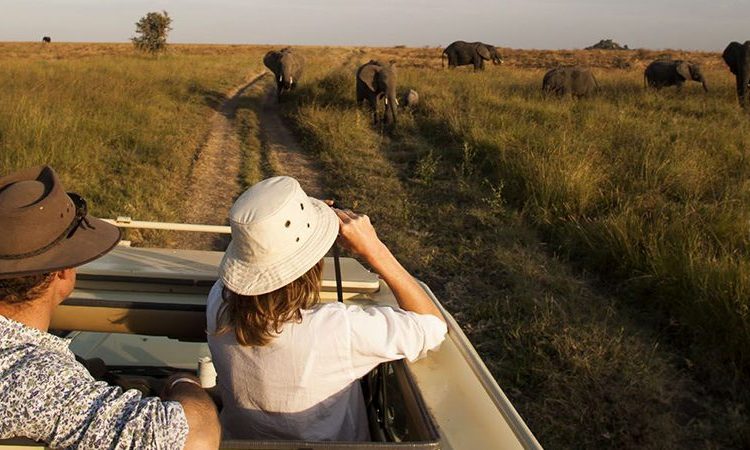
The park also includes the Kazinga Channel, a natural waterway connecting Lake Edward and Lake George. Boat trips along the channel offer opportunities to see wildlife gathering along the water.
The Ishasha sector in the southern part of the park is particularly famous for its tree-climbing lions, although sightings are never guaranteed.
How to visit on a budget:
- Consider a simple guesthouse or budget lodge outside the main tourist accommodation areas.
- Plan your game drives carefully to avoid unnecessary driving.
- Prepare a packed lunch or eat at affordable local restaurants.
- Share transport and accommodation costs with fellow travellers.
- Choose either a boat cruise or another paid activity if your budget does not allow for everything.
You can also enjoy the surrounding countryside, visit nearby communities and stop at scenic viewpoints during your journey.
Queen Elizabeth National Park is an excellent option for travellers who want a traditional African wildlife safari without committing to a long and expensive itinerary.
Kibale National Park
Kibale National Park is widely known for its chimpanzee population and tropical forest environment. It is one of the most popular places in Uganda for visitors interested in primates.
Chimpanzee tracking allows visitors to explore the forest with trained guides and observe chimpanzees in their natural habitat when they are located.
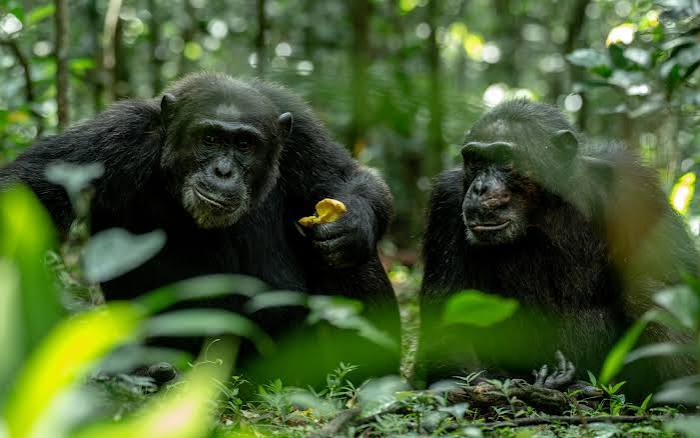
However, chimpanzee tracking is a paid activity, and permit prices depend on the visitor category and applicable conservation tariffs.
Budget tip: If chimpanzee tracking is beyond your budget, consider spending time around Fort Portal, exploring the crater lakes and enjoying the countryside.
Fort Portal offers scenic views, local markets, affordable restaurants and access to several natural attractions.
You can spend a day visiting crater lakes, photographing the landscape and discovering local communities without purchasing an expensive primate-tracking permit.
Bwindi Impenetrable National Park
Bwindi Impenetrable National Park is internationally recognised for mountain gorilla trekking.
Walking through the forest in search of mountain gorillas is an extraordinary experience, but it is also one of the more expensive activities in Uganda because a trekking permit is required.

Travellers should therefore decide early whether gorilla trekking is essential to their holiday.
If it is, build the permit cost into your budget before booking accommodation and transport. Choose a guesthouse near your assigned trekking sector to reduce unnecessary travel.
If gorilla trekking is not affordable, you can still explore the surrounding communities, enjoy the mountainous scenery and learn about local traditions.
Community walks and cultural experiences can provide meaningful opportunities to learn about life around the forest.
Lake Mburo National Park
Lake Mburo National Park is another excellent option for budget-conscious travellers, especially those travelling from Kampala or Entebbe.
Its relatively convenient location makes it suitable for short trips and weekend safaris.

The park is known for zebras, impalas, buffaloes, elands and other wildlife. Depending on the activity and location, visitors can also enjoy guided nature walks, birdwatching and boat trips.
A shorter journey can help reduce fuel costs and the number of overnight stays required.
For travellers with limited time, Lake Mburo can provide a satisfying introduction to Uganda’s wildlife without the longer journey required to reach Bwindi or the more distant parts of western Uganda.
3. Travel During the Right Season
The time of year you visit can influence your travel budget.
Uganda generally experiences drier periods around December to February and June to September, although weather conditions vary by location and year.
The wetter periods commonly occur around March to May and October to November.
During some quieter travel periods, certain accommodation providers and tour operators may offer discounts. However, this is not guaranteed, so compare actual prices before making a booking.
Travelling during the rainy season
The rainy season can be an attractive option for travellers looking for a quieter experience.
The countryside becomes greener, landscapes are beautiful, and some accommodation providers may have greater availability.
However, heavy rain can make certain roads muddy and increase journey times. Some activities may also be affected by weather conditions.
If you are visiting Bwindi, Queen Elizabeth National Park or other remote destinations, allow additional travel time and choose suitable transport.
A capable four-wheel-drive vehicle can be particularly useful when travelling on rough roads.
Travelling during the dry season
The dry season is popular for wildlife viewing and outdoor activities.
Road conditions may be easier in many areas, although dust can be an issue on unpaved roads.
Because some periods attract more visitors, accommodation and transport should be booked early where possible.
The best budget strategy is to compare the total cost of your trip rather than focusing only on the season. Affordable accommodation, transport arrangements and activity choices often have a greater effect on your final spending than the travel dates alone.
4. Use Affordable Transport Options
Transport can be one of the biggest expenses when visiting western Uganda.
Distances between attractions can be considerable, and some roads within national parks and rural areas are unpaved.
Your choice of transport should therefore balance cost, comfort, safety and flexibility.
Public transport
Public buses and shared taxis can be economical for travelling between major towns.
For example, you may travel from Kampala to Fort Portal, Kasese, Kabale or another regional town using public transport.
Once you arrive, however, reaching remote lodges, park entrances and specific tourist attractions may require additional transport.
Public transport is most suitable for travellers who have flexible schedules and are comfortable making several connections.
It can also be a good option for solo travellers who want to minimise transport expenses.
Hiring a car
Hiring a car gives you greater flexibility to explore western Uganda at your own pace.
You can stop at crater lakes, viewpoints, roadside markets and cultural attractions without relying entirely on public transport schedules.
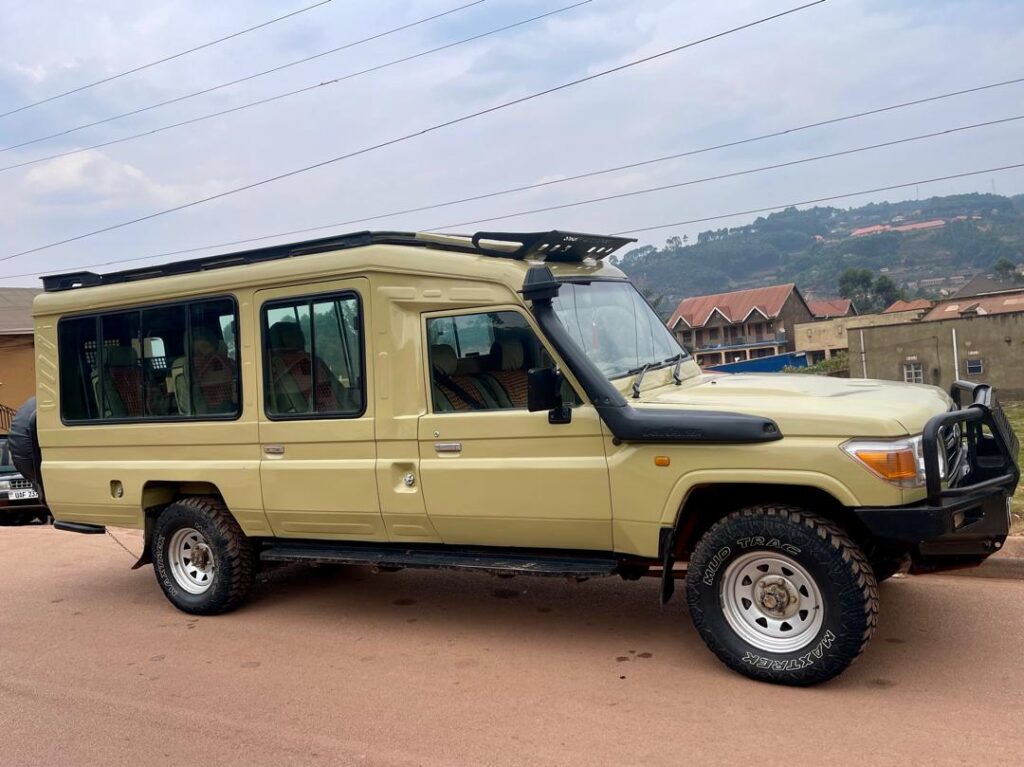
A rental car can be especially useful when travelling as a couple, family or group.
To save money, compare self-drive and driver-guided rental options before making a decision.
Self-drive can suit experienced drivers who are familiar with driving in unfamiliar conditions. A vehicle with a driver can be more convenient for visitors who prefer not to navigate rural roads themselves.
A four-wheel-drive vehicle is worth considering if your itinerary includes rough roads, remote accommodation or challenging park tracks.
When comparing rental prices, ask what is included. Fuel, insurance conditions, mileage limits, park vehicle fees and driver accommodation can affect the final cost.
Share transport costs
If you are travelling with friends or family, sharing the cost of a rental vehicle can make private transport more affordable per person.
For example, a vehicle costing US$100 per day would represent US$25 per person per day for a group of four, before additional expenses.
This simple calculation shows why private transport can sometimes be a reasonable choice for small groups.
However, always compare the full cost with public transport, particularly if you are travelling alone.
Avoid unnecessary driving
Planning your route carefully can save money.
Instead of travelling repeatedly between distant towns, organise your destinations geographically.
For example, a journey combining Fort Portal, Queen Elizabeth National Park and the Bwindi area should be planned around sensible overnight stops.
Avoid returning to Kampala between attractions unless there is a specific reason.
A well-planned route reduces fuel consumption, driving time and accommodation expenses.
5. Find Affordable Accommodation

Western Uganda has a wide range of accommodation options, from luxury safari lodges to basic guesthouses, campsites and community-run establishments.
You do not need to book an expensive lodge to enjoy the region.
Budget guesthouses
Guesthouses in towns such as Fort Portal, Kasese, Kabale and Kisoro can offer affordable accommodation.
They are often suitable for travellers who need a clean room, a comfortable bed and convenient access to local restaurants.
Before booking, check the location, reviews, bathroom facilities, security arrangements and whether breakfast is included.
Staying in town may cost less than staying inside or immediately beside a national park, although you should consider the extra transport required to reach your activities.
Community accommodation
Community-run guesthouses and locally owned lodges can be useful alternatives to large safari establishments.
These places may provide opportunities to interact with local residents and learn more about life in the surrounding area.
When choosing accommodation near Bwindi, Kibale or Queen Elizabeth National Park, check the distance to your planned activities.
A cheaper room far from the attraction may result in higher transport expenses.
Camping
Camping can be an economical option for travellers who already have suitable equipment.
Some campsites provide basic facilities, while others offer additional services such as showers, toilets and designated cooking areas.
Always confirm what is available before arriving.
If you plan to camp in or near a national park, check the applicable rules, fees and reservation requirements.
You should never assume that camping is permitted in an area simply because it looks suitable.
Book according to your itinerary
The cheapest accommodation is not always the best value.
For example, staying close to a gorilla trekking starting point may cost slightly more but save you from paying for an early-morning transfer.
Similarly, staying in Fort Portal for several nights can make sense if you plan to explore nearby crater lakes and cultural attractions.
Choose accommodation that reduces the total cost of your trip rather than focusing only on the room rate.
6. Eat Local Food to Reduce Expenses
Food is another area where budget travellers can save money without missing out on the local experience.
Western Uganda offers a variety of traditional foods, including matoke, beans, groundnut sauce, sweet potatoes, cassava, rice and seasonal vegetables.
Local restaurants often serve filling meals at prices lower than those charged by tourist-oriented establishments.
Try traditional Ugandan meals
A simple meal of matoke and beans or rice with vegetables can be affordable and satisfying.
You can also try local specialities and seasonal produce available in different towns.
Fort Portal and surrounding communities are particularly known for agricultural produce, including bananas and other crops grown in the region.
Trying local food allows you to experience Ugandan culture while supporting small businesses.
Buy snacks and water in towns
Food and drinks can cost more at remote lodges and tourist facilities.
Buying bottled water, fruit and snacks in larger towns before travelling to isolated areas may help you control your spending.
Carry enough drinking water for your planned activities, especially during long drives and outdoor excursions.
Choose accommodation with meals
Some lodges offer breakfast or dinner as part of their accommodation packages.
Compare the total cost of the room and meals with the price of booking them separately.
If you are staying somewhere remote, having meals available at the accommodation may also save time and transport costs.
7. Enjoy Affordable Attractions Around Fort Portal
Fort Portal is one of the best bases for exploring western Uganda on a budget.
The town is surrounded by rolling hills, tea plantations, crater lakes and beautiful rural landscapes.
It also provides access to Kibale National Park and other attractions in the wider region.
Explore the crater lakes
The crater lakes around Fort Portal are among the region’s most beautiful natural features.
Visitors can enjoy scenic views, photography and peaceful walks around suitable locations.
Some places may charge access or activity fees, while others can be viewed from public roads or permitted viewpoints.
Always confirm local access arrangements before entering private property.
Visit tea-growing areas
Tea plantations create striking green landscapes around parts of western Uganda.
A drive through these areas can be a rewarding experience, especially for travellers interested in agriculture and rural life.
You can stop at suitable viewpoints, take photographs where permitted and learn more about the importance of tea production to local communities.
Discover local markets
Markets offer a glimpse into everyday life in western Uganda.
You can see fresh produce, household goods and locally made products while interacting with traders.
Market visits are generally a low-cost activity, although you should ask permission before photographing people.
Purchasing fruit, snacks or locally made items is also a simple way to support small businesses.
Enjoy the countryside
You do not need a paid activity every day to enjoy your holiday.
Sometimes, the most memorable moments come from watching the sunset, walking through a village, enjoying views of the hills or talking to local residents.
Allow time for these simple experiences when preparing your itinerary.
8. Plan Your Wildlife Safari Carefully
Wildlife safaris are often a major reason for visiting western Uganda, but they can increase your travel expenses.
The key is to choose activities that match your interests and budget.
Prioritise your must-see experiences
Before travelling, identify the experiences you consider essential.
For one traveller, this may be a game drive in Queen Elizabeth National Park. For another, it may be gorilla trekking in Bwindi.
Once you have selected your priorities, allocate money to those experiences first.
You can then use the remaining budget for accommodation, food, transport and optional activities.
Understand park entrance fees
National parks charge entrance fees according to the applicable tariff and visitor category.
Additional costs may include vehicle entry, ranger services, boat trips and special activities.
For example, the Uganda Wildlife Authority tariff covering July 2024 to June 2026 listed separate charges for park visits, vehicle entry, chimpanzee tracking and other activities. Travellers visiting after June 2026 should confirm the currently applicable tariff before budgeting. The Ministry of Tourism, Wildlife and Antiquities provides the published tariff information.
Do not calculate your safari budget using the entrance fee alone.
Include any vehicle charges, activity permits and other expenses relevant to your plans.
Choose activities wisely
If you cannot afford every activity, select the ones that offer the greatest value for your interests.
For example, you might choose a game drive and a boat cruise in Queen Elizabeth National Park while skipping another paid activity.
Alternatively, you could spend more time exploring the countryside around Fort Portal and reserve your money for one major wildlife experience.
A carefully selected safari can still be memorable without including every available excursion.
Consider travelling with a small group
Group travel can reduce the individual cost of a vehicle, guide and some other shared services.
However, confirm whether an activity charges per person or per group before assuming that sharing will reduce every expense.
Gorilla and chimpanzee permits, for example, are priced per participant rather than being shared between passengers.
9. A Budget-Friendly Five-Day Western Uganda Itinerary
If you have five days available, you can experience several highlights of western Uganda without attempting to cover the entire region.
The following itinerary is an example that can be adjusted according to your starting point, transport arrangements and interests.
Day 1: Kampala to Fort Portal
Depart Kampala early and travel towards Fort Portal.
Depending on traffic, road conditions and stops, the journey can take several hours.
On arrival, check into your accommodation and spend the afternoon exploring the town or enjoying the surrounding countryside.
If time allows, visit a suitable crater lake viewpoint before returning to your guesthouse.
Budget tip: Book accommodation for the night in advance and choose somewhere convenient for your planned activities.
Day 2: Fort Portal and the crater lakes
Spend the day exploring the crater lakes and countryside around Fort Portal.
You can enjoy scenic drives, photography and local markets while learning about the area’s agricultural activities.
If you want to visit Kibale National Park for chimpanzee tracking, organise the appropriate permit and schedule in advance. This will increase your budget but add a memorable wildlife experience.
Alternatively, spend the day exploring the area at a slower pace.
Return to Fort Portal for the night.
Day 3: Travel to Queen Elizabeth National Park
Leave Fort Portal and travel towards Queen Elizabeth National Park.
Depending on your chosen route and accommodation, you may pass through scenic countryside and local trading centres.
After checking in, you can plan an afternoon game drive if your arrival time and budget allow.
Wildlife sightings depend on conditions and animal movements, so patience is important.
Stay at a budget lodge or guesthouse that suits your planned activities.
Day 4: Explore Queen Elizabeth National Park
Spend the day experiencing the park.
An early-morning game drive offers an opportunity to search for elephants, buffaloes, antelopes and other wildlife.
You could also consider a boat cruise along the Kazinga Channel, where hippos, crocodiles and numerous birds may be observed.
If your budget is limited, select the activity you value most rather than automatically booking everything.
Remember to check current park fees and activity prices.
Day 5: Return to Kampala
After breakfast, begin your journey back to Kampala.
Allow sufficient time for the drive, meals and possible delays.
If your budget and schedule permit, you can add another night to your itinerary rather than rushing the return journey.
This five-day plan provides a combination of scenery, wildlife and cultural experiences. It does not include Bwindi or gorilla trekking, which would require additional travel time and a separate budget.
For a longer holiday, consider adding Lake Mburo National Park or extending your stay in the Fort Portal area.
10. How Much Does a Budget Trip to Western Uganda Cost?
The cost of visiting western Uganda depends on your travel style, the number of days, your nationality or residency category for park fees, and the activities you choose.
A traveller using public transport and simple accommodation may spend considerably less than someone hiring a private vehicle and visiting several national parks.
The following figures are illustrative planning estimates, not confirmed supplier quotations or current official tariffs.
Example daily budget for one traveller
| Expense | Estimated daily cost |
|---|---|
| Budget accommodation | US$15–35 |
| Local meals and drinking water | US$8–18 |
| Local transport allocation | US$10–25 |
| Miscellaneous expenses | US$5–10 |
| Estimated daily total | US$38–88 |
These estimates are intended for ordinary travel days without expensive wildlife activities.
They exclude international flights, visa costs, gorilla and chimpanzee permits, major safari excursions and any additional expenses not listed.
Transport costs can also be higher on remote routes or when private transfers are necessary.
Example budget for five days
For a traveller using public transport, staying in basic accommodation and choosing inexpensive meals, a five-day trip might require approximately US$200–450 before major safari activities.
This is a broad planning range rather than a guaranteed price.
Adding a private rental vehicle, park visits, boat cruises or primate-tracking permits can increase the total substantially.
Travellers should calculate their expected expenses using actual accommodation quotations, transport prices and official activity fees before departure.
How to save more money
You can reduce your spending by:
- Travelling with friends and sharing accommodation.
- Booking accommodation early where practical.
- Using public transport for suitable intercity journeys.
- Staying longer in fewer destinations.
- Buying food in towns instead of relying entirely on remote lodges.
- Choosing only the wildlife activities you value most.
- Comparing the full cost of self-drive and driver-guided car rental.
- Keeping an emergency reserve for unexpected expenses.
The most important principle is to plan your major expenses before travelling. Transport, accommodation and special wildlife activities can have a greater effect on your budget than small daily purchases.
11. Practical Tips for Travelling Around Western Uganda
Good preparation can help you avoid unnecessary expenses and make your journey more comfortable.
Carry enough cash
Cash remains useful when visiting rural areas and small businesses.
Although mobile money and electronic payments are available in many places, not every accommodation provider or local business accepts cards.
Carry enough Ugandan shillings for meals, local transport and small purchases. Keep your money secure and avoid carrying more cash than you need.
Buy a local SIM card
A local SIM card can help you contact accommodation providers, arrange transport and access online maps.
Mobile coverage varies, particularly in remote areas and national parks.
Download essential maps and booking information before travelling into areas where the signal may be weak.
Pack appropriate clothing
Western Uganda has varied landscapes and weather conditions.
Bring comfortable walking shoes, lightweight clothing, a rain jacket and warmer clothing for cool mornings and evenings.
If you plan to visit forests or mountain areas, waterproof footwear can be particularly useful.
For gorilla or chimpanzee tracking, follow the clothing and equipment advice provided by your trekking operator or park authorities.
Leave enough time for road journeys
Do not plan your schedule around driving times alone.
Roadworks, traffic, rain and road conditions can affect your journey.
Allow additional time when travelling between national parks, especially if you have a flight or another important booking.
Arriving in daylight is preferable when possible, particularly when travelling on unfamiliar rural roads.
Check your travel insurance
Make sure your travel insurance covers the activities you intend to undertake.
If you plan to participate in trekking, wildlife activities or other outdoor adventures, confirm the relevant policy conditions before travelling.
Also check current travel advice and local guidance for your intended destinations.
Respect local communities and wildlife
Ask permission before photographing people, follow instructions from park rangers and avoid disturbing wildlife.
Do not feed wild animals or leave rubbish behind.
When possible, support locally owned accommodation, restaurants, guides and craft businesses.
Responsible tourism helps communities benefit from visitors while protecting the places that make western Uganda special.
12. Is Renting a Car Worth It for a Budget Safari?
Renting a car can be a practical choice for travellers who want to explore several destinations during one holiday.
However, whether it saves money depends on the size of your group, your itinerary and the type of vehicle you choose.
For a solo traveller visiting one town, public transport may be cheaper.
For a family or group of four travelling between several destinations, sharing the cost of a rental vehicle may offer better value and greater convenience.
A rental vehicle also makes it easier to visit attractions that are difficult to reach using public transport.
Self-drive car rental
Self-drive rental is suitable for travellers who are confident driving in Uganda and meet the rental company’s requirements.
Before booking, confirm the permitted routes, insurance coverage, mileage conditions, security deposit and breakdown support.
If you plan to visit national parks, ask whether the vehicle is appropriate for the roads and activities on your itinerary.
Car rental with a driver
Hiring a car with a driver can make your holiday more convenient, particularly if you are unfamiliar with Uganda’s roads.
A driver can help with navigation, journey planning and finding suitable stopping points.
If you want wildlife interpretation or a more comprehensive safari experience, ask whether a qualified guide is included or available separately.
Compare the total price, including fuel, driver expenses, accommodation where applicable and park-related charges.
Choosing the right vehicle
A standard car may be suitable for journeys between major towns, depending on road conditions and your planned stops.
A four-wheel-drive vehicle is worth considering for rough roads, remote accommodation and certain national park routes.
You do not necessarily need the most expensive vehicle. Choose one that meets your travel requirements without paying for features you will not use.
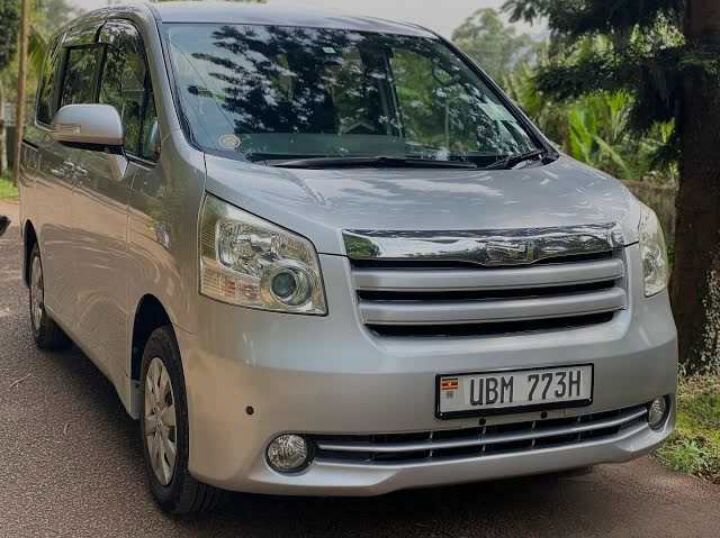
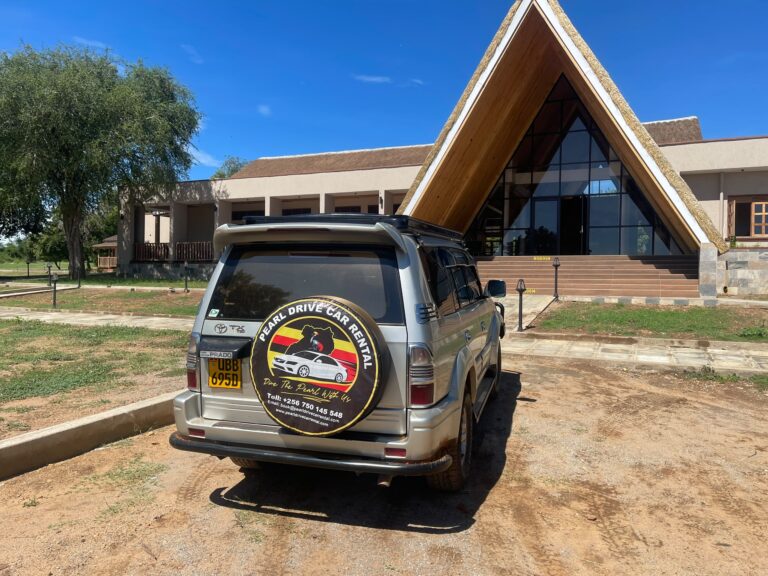
Pearl Drive Car Rental Uganda provides a convenient option for travellers who want to explore Uganda by rental vehicle. You can enquire about self-drive and driver-guided options, including vehicles suitable for different journeys and budgets.
Visit the Pearl Drive Car Rental website at pearldrivecarrental.com to discuss your itinerary and request a quotation.
13. Frequently Asked Questions About Visiting Western Uganda on a Budget
What is the cheapest way to visit western Uganda?
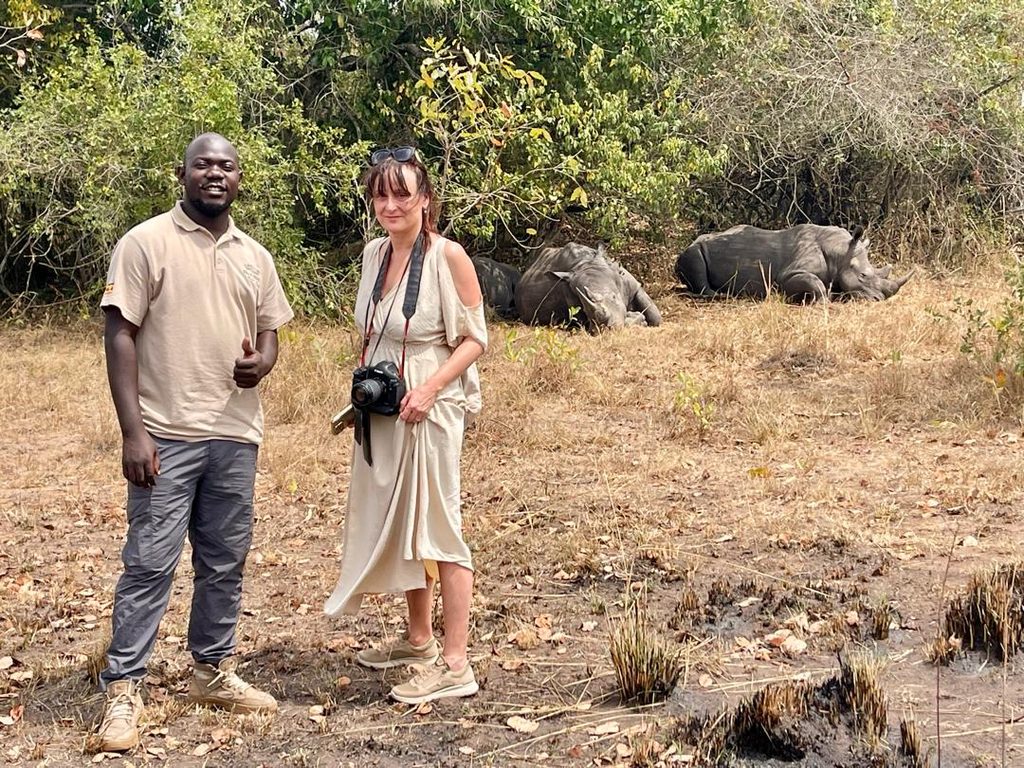
Using public transport, staying in budget guesthouses, eating at local restaurants and selecting only a few paid activities can help reduce expenses.
Planning your route carefully also helps minimise unnecessary transport costs.
How many days do I need to explore western Uganda?
Five to seven days can provide a good introduction to selected destinations, such as Fort Portal and Queen Elizabeth National Park.
A longer trip is recommended if you want to include Bwindi, gorilla trekking, Kibale National Park or several additional attractions.
Can I visit western Uganda without hiring a car?
Yes. Public transport connects many major towns, and you can organise local transfers for selected attractions.
However, reaching remote accommodation and travelling between attractions may require additional planning.
Is western Uganda suitable for a family holiday?
Yes. Families can enjoy wildlife viewing, scenic drives, crater lakes, cultural experiences and visits to local towns.
Choose activities appropriate for the ages and interests of your children, and confirm age restrictions for any special wildlife activities before booking.
Can I visit Bwindi without going gorilla trekking?
Yes. You can explore the surrounding countryside, stay in nearby communities and arrange suitable cultural or nature-based experiences.
However, access to particular trails and activities may require a guide, permission or payment.
Is western Uganda safe for tourists?
Many travellers visit western Uganda for wildlife, scenery and cultural experiences. However, conditions can change, and safety should never be assumed.
Check current official travel advice, follow guidance from local authorities and park officials, use reputable accommodation and transport providers, and plan your journeys carefully.
When should I book my accommodation and activities?
Book early if you are travelling during a busy period or planning activities that require limited permits, particularly gorilla trekking.
For more flexible activities, compare options and confirm prices before travelling.
Can I combine western Uganda with other regions?
Yes. Depending on your available time, you can combine western Uganda with central Uganda, Jinja or other destinations.
However, adding more regions increases travel time and transport costs. Choose a route that allows you to enjoy each destination without spending too much time on the road.
Conclusion: Experience Western Uganda Without Overspending
Visiting western Uganda on a budget is possible when you make informed decisions about transport, accommodation, food and activities.
You can explore Fort Portal’s crater lakes, enjoy wildlife viewing in Queen Elizabeth National Park, discover the countryside around Lake Mburo and experience the communities surrounding Bwindi without booking a luxury holiday.
The key is to decide what matters most to you, plan your route carefully and avoid spending money on activities that do not fit your interests or budget.
If wildlife encounters are your priority, allocate more of your budget to the national parks and activities you want to experience. If you prefer scenery and culture, spend more time exploring towns, crater lakes, local markets and community attractions.
Remember that the cheapest option is not always the best value. Reliable transport, appropriate accommodation and realistic travel schedules can help you avoid unexpected expenses and enjoy your holiday more comfortably.
With careful planning, western Uganda offers a wonderful opportunity to experience the country’s natural beauty, wildlife and culture without spending more than necessary.
Planning a trip to western Uganda?
Pearl Drive Car Rental Uganda can help you explore Uganda with suitable rental options for your journey. Whether you need a vehicle for a self-drive holiday or prefer to travel with a driver, contact our team to discuss your itinerary and receive a quotation.
Pearl Drive Car Rental Uganda
Email: book@pearldrivecarrental.com
WhatsApp: +256 750 145548
Drive the Pearl with Us.
About the Author