Uganda is one of East Africa’s most rewarding destinations to explore by road. From the misty hills of Bwindi to the open savannah of Murchison Falls, the country rewards travelers who move at their own pace — and that starts with choosing the right car rental in Uganda. Whether you are a tourist planning a safari, a business traveler needing airport transfers, or a local resident who needs a reliable vehicle for a few days, understanding how car rental works in Uganda will save you time, money, and stress.
This guide walks through everything: your rental options, what affects pricing, which vehicles suit which trips, the documents you need, and how to book a car with confidence.

Why Renting a Car in Uganda Makes Sense
Public transport in Uganda covers the basics, but it rarely covers the places travelers actually want to reach — remote lodges, national park gates, or a wedding venue outside the city. Renting a car gives you control over your schedule, lets you stop for photos when the moment calls for it, and removes the guesswork of negotiating fares or waiting on shared transport.
For visitors flying into Entebbe, a rental car (with or without a driver) also solves the first logistical challenge of any Uganda trip: getting from the airport to Kampala, Entebbe town, or straight into a national park circuit without relying on unmetered taxis.
Self-Drive vs. Chauffeur-Driven: Which Should You Choose?
This is the first decision most renters face, and it depends heavily on your comfort with Uganda’s roads.
Self-drive car hire suits travelers who are confident driving on the left-hand side, have some experience with unpaved or pothole-heavy roads outside major towns, and want full independence over their route and timing. It tends to be the more budget-friendly option, especially for shorter trips within Kampala and nearby districts.
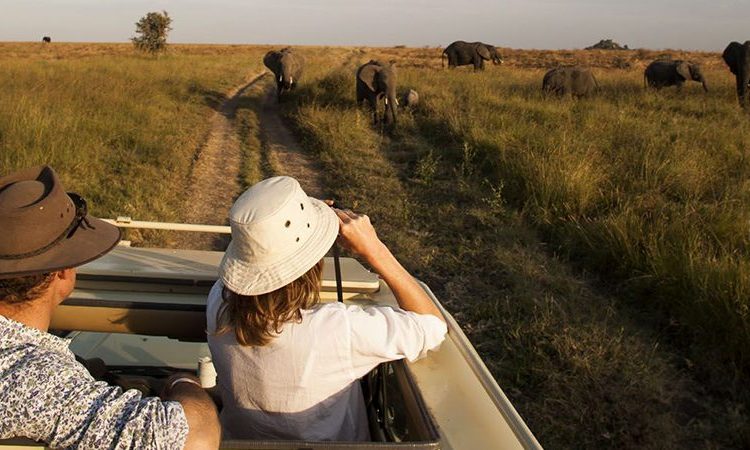
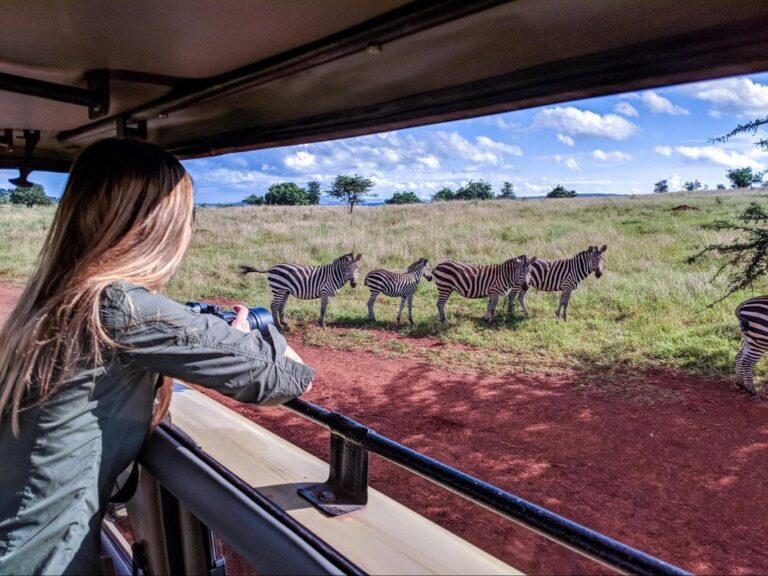
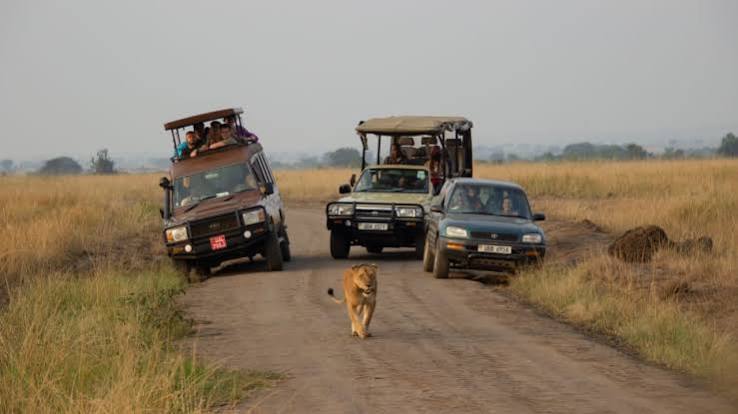
Chauffeur-driven car hire is the better choice for first-time visitors, safari travelers, and anyone unfamiliar with Uganda’s road conditions, checkpoints, or park navigation. A local driver-guide doubles as a source of route knowledge, wildlife spotting experience, and language support — genuinely useful in rural areas where signage is limited. For safaris specifically, chauffeur-driven 4×4 hire is almost always the safer and more comfortable option, since experienced drivers know how to navigate game-drive tracks and river crossings that catch first-timers off guard.
Choosing the Right Vehicle for Your Trip

Not every rental car is built for every route, and matching the vehicle to your itinerary matters more in Uganda than in most countries.
- City and airport transfers: A sedan or compact SUV like a RAV4 is efficient and comfortable for Kampala, Entebbe, and short regional trips on tarmac roads.
- Safari and national park travel: A 4×4 is non-negotiable once you leave the paved highway. Vehicles like the Toyota Land Cruiser or Land Cruiser Prado TX handle murram roads, river crossings, and the terrain inside parks like Queen Elizabeth or Murchison Falls with far less risk of getting stuck.
- Group travel and weddings: For families, tour groups, or wedding parties, a Safari Van or Toyota Coaster offers the seating capacity and luggage space that a standard SUV can’t match.
- Rugged, remote routes: A Mitsubishi Pajero is a solid middle ground — 4×4 capability with a smaller footprint than a Land Cruiser, useful for mixed city-and-bush itineraries.
If you’re unsure which vehicle fits your route, describing your itinerary to your rental company before booking is the fastest way to avoid a mismatch.
What Affects Car Rental Prices in Uganda
Rental rates in Uganda vary based on a handful of predictable factors:
- Vehicle type — 4x4s cost more than sedans due to fuel consumption, maintenance, and demand for safari travel.
- Self-drive vs. chauffeur-driven — chauffeur-driven rentals include a driver’s allowance and often fuel, which self-drive rentals don’t.
- Rental duration — longer rentals typically bring the daily rate down.
- Season — peak safari season (roughly June to September, and December to February) sees higher demand and firmer pricing.
- Cross-border travel — trips into Rwanda or Kenya usually involve additional permits and fees, so confirm this upfront if your itinerary crosses a border.
- Distance and fuel — remote park circuits cover long distances, which affects fuel costs on top of the base rental rate.
Always ask for a full breakdown that separates the daily rate from fuel, driver allowance, and any park or cross-border fees, so there are no surprises when you settle the bill.
What You Need to Rent a Car in Uganda
For self-drive rentals, most companies require:
- A valid driving license (an International Driving Permit is recommended alongside your national license)
- A passport or national ID for identification
- A refundable security deposit, which varies by vehicle class
- Proof of a local contact address or hotel booking, in many cases
For chauffeur-driven rentals, the requirements are lighter since the driver handles the vehicle — typically just identification and a signed rental agreement outlining the itinerary, inclusions, and cancellation terms.
Read the rental agreement carefully before signing, particularly the sections on mileage limits, fuel policy, and what happens in the event of a breakdown or accident. A reputable operator will walk you through this rather than rushing you to sign.
Popular Routes That Call for a Rental Car
Some of the most requested routes among travelers renting a car in Uganda include:
- Entebbe or Kampala to Murchison Falls National Park — a full-day drive best suited to a 4×4, with the option to break the journey at Ziwa Rhino Sanctuary.
- Kampala to Lake Bunyonyi and Bwindi Impenetrable Forest — a longer southwestern route through hilly terrain, ideal for chauffeur-driven travel given the winding mountain roads.
- Kampala to Jinja — a shorter, well-paved route popular for source-of-the-Nile day trips and adventure activities.
- Queen Elizabeth National Park and the Kazinga Channel — often combined with a boat cruise, this route benefits from a driver-guide familiar with game-viewing tracks.
- Cross-border trips into Rwanda, typically for gorilla trekking extensions, which require advance planning around permits and paperwork.
Tips for a Smooth Car Rental Experience

- Book ahead during peak safari season, when good vehicles are reserved weeks in advance.
- Inspect the vehicle together with the rental company before you drive off, and document any existing scratches or damage.
- Confirm what’s included — fuel, driver allowance, insurance, and park fees are not always bundled into the quoted rate.
- Keep the rental company’s contact details on hand throughout your trip in case you need roadside support.
- For safaris, ask whether the driver is also an experienced guide, since local knowledge often shapes how much you actually see.
Booking Your Car Rental in Uganda
Whether you need a self-drive sedan for a few days in Kampala, a chauffeur-driven 4×4 for a Uganda or Rwanda safari, or a van for a group or wedding, choosing a rental company that’s transparent about pricing and matches you to the right vehicle makes all the difference.
Pearl Drive Car Rental offers self-drive and chauffeur-driven hire across Uganda, including safari 4x4s, airport transfers, wedding cars, and group vans, with drivers experienced across Uganda and Rwanda routes.
Ready to book your car rental in Uganda? Email us at book@pearldrivecarrental.com or call/WhatsApp +256 750 1465 548 to get a quote for your dates and route
About the Author