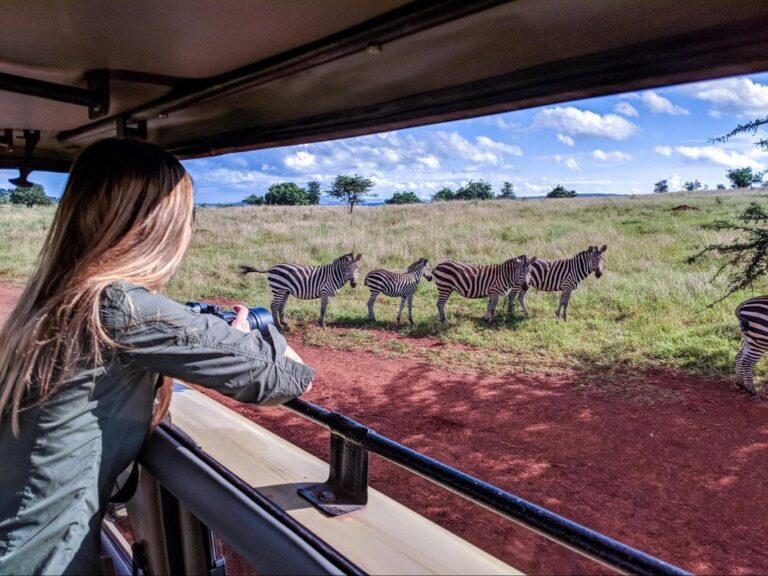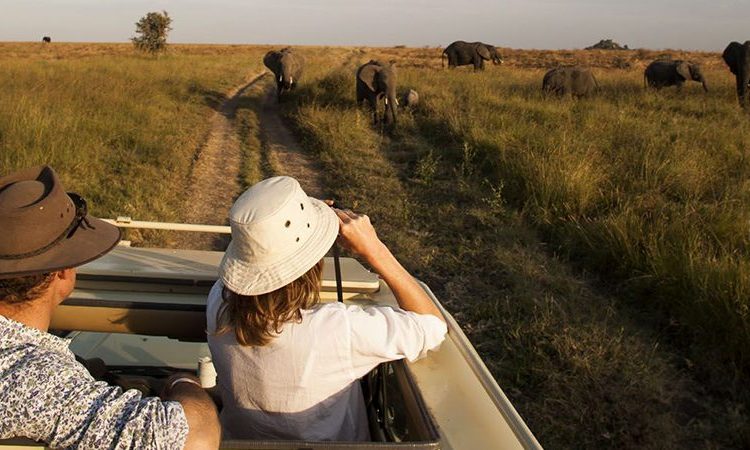
A self-drive safari in Uganda is one of the most rewarding ways to see the Pearl of Africa. You choose where to stop, how long to watch a herd of elephants, and when to start your morning game drive. There is no fixed itinerary and no waiting for a group. With the right vehicle and a little planning, it is also far more achievable than most visitors expect.
This guide covers the costs, best routes from Kampala, which 4×4 to hire, and the practical tips that keep your trip safe and smooth. It comes from our experience at Pearl Drive Car Rental, where we hire out safari-ready vehicles and guide clients across Uganda and into Rwanda.
Is a Self-Drive Safari in Uganda Safe?
Yes, for prepared travellers. Uganda is a welcoming country, and many visitors drive themselves to the national parks every year. The main challenges are not safety in the wildlife sense but road conditions, unfamiliar traffic habits and long distances.
You will drive on the left, share the road with trucks, boda bodas and pedestrians, and meet sections of murram (gravel) road near the parks. If you are comfortable driving in varied conditions and you plan your days sensibly, a self-drive safari is very manageable. If you would rather not drive, a chauffeur-driven option is always available.

Best Self-Drive Safari Routes from Kampala
Uganda’s main parks are reachable by road from Kampala, and each offers a different experience.
Lake Mburo National Park
The easiest first safari. It is roughly four hours from Kampala on mostly good tarmac, making it ideal for a short two-day trip. You can see zebras, impalas, giraffes and hippos, and you can enjoy boat trips and walking safaris.
Murchison Falls National Park
Uganda’s largest park, usually five to seven hours from Kampala depending on your entrance gate. The park is famous for the powerful Murchison Falls, boat cruises on the Nile and game drives that regularly show elephants, giraffes, lions and buffalo. A ferry crossing is part of many routes inside the park, so ask about timings.
Queen Elizabeth National Park
A classic Uganda safari destination, known for tree-climbing lions in the Ishasha sector, the Kazinga Channel boat cruise and large hippo and elephant populations. Allow a full travel day from Kampala, and consider breaking the journey.
Kidepo Valley National Park
For adventurous drivers. Kidepo is remote and a long journey from Kampala, but the scenery and wildlife are exceptional. Roads are tougher here, so a strong 4×4, spare tyre and careful planning are essential.
Bwindi and Mgahinga (Gorilla Trekking)
You can drive to the trailheads, but the roads in the southwest are steep and can be slippery in wet weather. A capable 4×4 is strongly recommended, and some travellers prefer an experienced driver for these final sections.
How Much Does a Self-Drive Safari in Uganda Cost?
Your total budget depends on the length of your trip, the vehicle you choose and the parks you visit. Instead of one fixed number, think in these categories:
- Vehicle hire: the daily rate varies by vehicle type, season and rental length. Longer rentals often come with better daily rates.
- Fuel: this is a major cost on long safari routes, so estimate your total distance and plan for it.
- Park entrance fees: these are charged per person and per vehicle, and the rates differ for foreign non-residents, foreign residents and East African citizens. Check the latest rates with the Uganda Wildlife Authority before you travel, as they change.
- Accommodation: from budget campsites and guesthouses to mid-range lodges and luxury camps.
- Activities: boat cruises, gorilla or chimpanzee permits, guided nature walks and game drives.
- Food and extras: meals, drinks, tips and small supplies.
When you compare rental quotes, ask exactly what is included. A cheaper daily rate that excludes insurance, mileage or airport delivery can end up costing more.
Which Vehicle Should You Hire for a Safari?

A good safari vehicle gives you ground clearance, power and reliability. Our most popular options are:
- Toyota Land Cruiser: the classic safari vehicle, strong on rough tracks and comfortable on long drives.
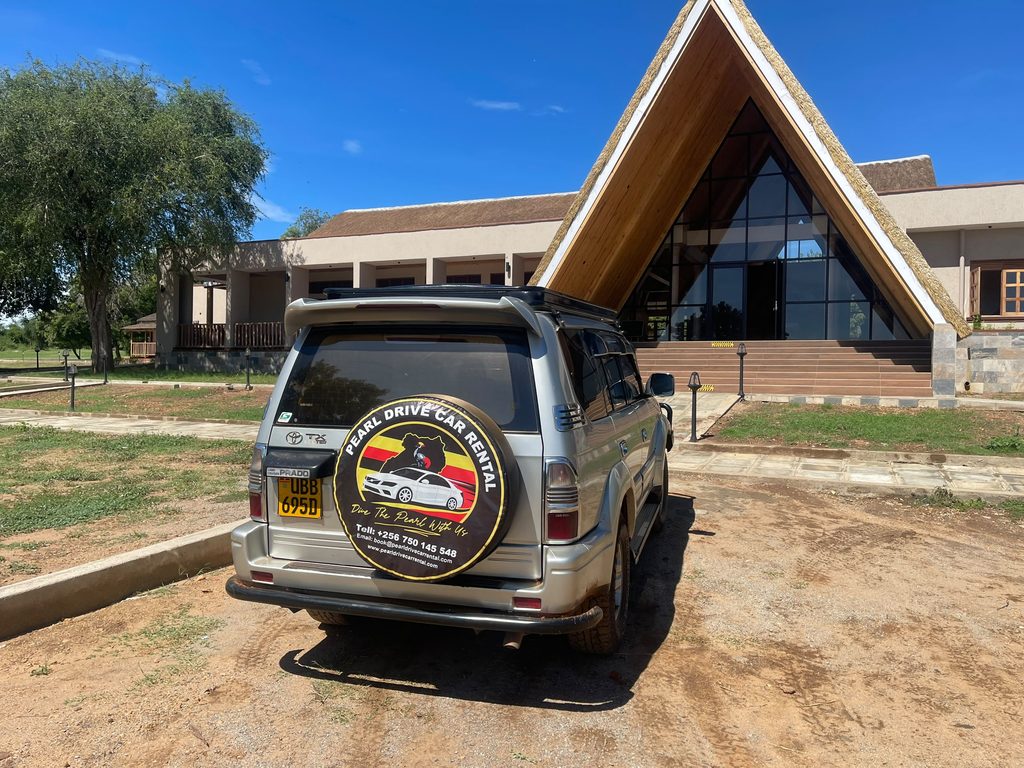
- Land Cruiser Prado TX: a more compact option with excellent comfort and 4×4 capability.
- Mitsubishi Pajero: a dependable, good-value 4×4 for park roads.
- Toyota RAV4: suitable for tarmac routes such as Lake Mburo, but not recommended for rough park tracks in the rainy season.
- Safari Van or Toyota Coaster: best for larger groups, with space for luggage and passengers.
If your route includes Murchison Falls, Queen Elizabeth, Kidepo or Bwindi, choose a 4×4. The extra capability is worth it, especially in the wet months of March to May and September to November.
Best Time for a Self-Drive Safari
The dry seasons, roughly June to August and December to February, are generally the best time. Roads are firmer, grass is shorter and animals gather around water sources, making them easier to spot. The wet seasons can still be rewarding, with green landscapes and fewer visitors, but they demand a 4×4 and a flexible schedule because roads can become slippery.
Practical Tips for Driving in the Parks
A few habits make a big difference on safari:
- Start early. Animals are most active at dawn and in the late afternoon, and early starts also help you avoid driving in the dark.
- Drive slowly. Park speed limits are low, and slow driving protects wildlife and gives you better sightings.
- Stay on marked tracks. Never drive off-road, as it damages the environment and can result in fines.
- Keep your distance. Stay in your vehicle near wildlife, and never get out near elephants, lions or buffalo.
- Do not feed animals. It is against park rules and dangerous.
- Carry water, snacks and cash. Services are limited in remote areas, and not every place accepts cards.
- Fill up your fuel tank often. Stations can be far apart, so top up whenever you can.
- Download offline maps. Mobile signal is unreliable in many parks.
- Check the vehicle daily. Look at tyres, oil, water and lights before each drive.
What to Pack
Beyond your usual travel items, bring:
- Binoculars and a camera with a good zoom
- Sunscreen, a hat and insect repellent
- A power bank and a car charger
- A basic first aid kit
- Light layers, as mornings can be cool
- Printed copies of your booking, licence and permits
Documents and Requirements
To hire a vehicle for a self-drive safari, you will need a valid driving licence, your passport or national ID and a refundable security deposit. Visitors with a licence that is not in English should carry an International Driving Permit. If you plan to cross into Rwanda or another country, tell us before you book so we can arrange the correct permissions. For a full breakdown, read our guide to car rental requirements in Uganda.
Self-Drive or Chauffeur-Driven Safari?
Self-drive gives you freedom and often a lower cost, but a driver-guide brings local knowledge, spots wildlife you might miss and handles difficult roads. Some travellers combine both, driving themselves in easy parks and using a driver for demanding sections or gorilla trekking. We can arrange whichever suits you, and our guides lead safaris across Uganda and Rwanda.
Sample 5-Day Self-Drive Itinerary
- Day 1: Kampala to Lake Mburo, with an afternoon game drive.
- Day 2: Lake Mburo to Queen Elizabeth National Park, with a visit to the Ishasha sector if time allows.
- Day 3: Kazinga Channel boat cruise and a morning game drive.
- Day 4: Return towards Kampala, with a stop for lunch and shopping.
- Day 5: Rest day, or an extension to Murchison Falls on a longer trip.
We can adjust this plan to your dates, interests and budget.
Plan Your Self-Drive Safari with Pearl Drive
A self-drive safari in Uganda is an adventure you will remember for years. With a reliable 4×4, a clear route and a few simple precautions, you can enjoy the parks at your own pace. Pearl Drive Car Rental will help you choose the right vehicle, plan your route and prepare your documents.
Email book@pearldrivecarrental.com or call +256750145548 to check availability and receive your safari quote today.
About the Author