Booking car rental in Uganda is straightforward once you understand the details that matter. Most problems travellers experience are not caused by bad roads or bad luck. They come from misunderstandings about price, insurance, fuel, mileage or paperwork that could have been settled before the trip began.
This guide covers what to check, what to ask and what to expect, so you can book your vehicle with confidence and enjoy the journey.
Understand What the Quote Includes
The first step in any rental is a clear quote. Two quotes that look similar can be very different once you read the details. Make sure the quote states:
- The daily or weekly rate and the number of days
- Whether a driver is included
- The mileage allowance
- Whether fuel is included
- Insurance cover and any excess
- Deposit amount and refund terms
- Extra charges, such as late return or additional drivers
If any of these are missing, ask. A company that is transparent about costs at the start is usually transparent throughout.
Driving Licence and Documents
For self-drive rental in Uganda, you must hold a valid driving licence. If your licence is not in English, an international driving permit is strongly recommended. Companies normally ask for a passport or national ID and may keep a copy for their records.
Some companies set a minimum age for drivers and a minimum period of licence ownership, because experience matters on unfamiliar roads. If you are under twenty-five or have held your licence for a short time, ask about the policy before you commit.
If you rent with a driver, you do not need to drive at all, though you still need identification for the rental agreement.
Insurance: Read This Part Carefully
Insurance is the most commonly misunderstood part of any car rental. Ask the following:
- What does the insurance cover: accident damage, theft, third-party liability?
- What is the excess, meaning the amount you pay if the car is damaged?
- Are tyres, windscreen and undercarriage covered, or excluded?
- What should you do if there is an accident? Whom should you call, and is a police report required?
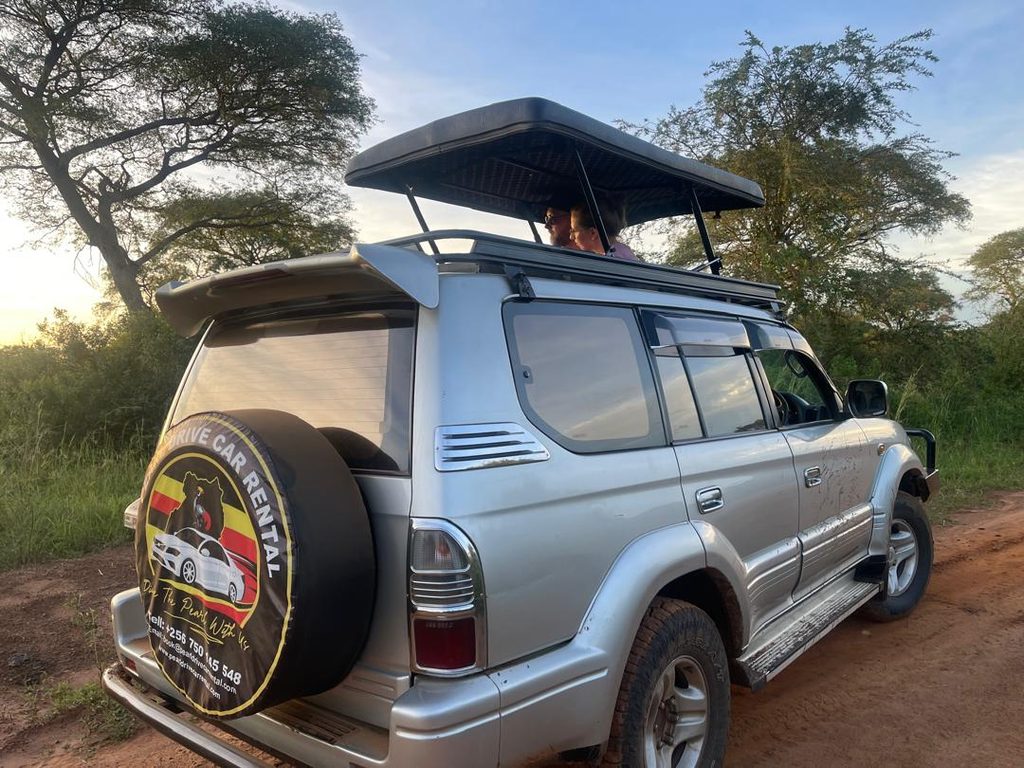
Tyres and undercarriage damage are often excluded, especially on rough park roads. If your trip includes safari tracks, ask for this to be explained in plain terms. Taking extra care on those roads costs nothing and can save a great deal.
Deposits and Payment
Many companies ask for a deposit to secure the booking and a security deposit to cover possible damage or fines. Agree on the amount, the payment method and the return timeline. A reasonable company will refund the security deposit promptly after the vehicle is returned in good condition.
Typical payment options include mobile money, bank transfer and card payments, depending on the company. Always keep receipts and written confirmation of what you have paid.
Fuel Policy
Fuel policies differ. The most common is full-to-full: you receive the car with a full tank and return it full. Others charge for fuel used. Clarify the policy and also confirm whether the vehicle runs on petrol or diesel, since filling the wrong fuel can cause serious engine damage.
Plan your fuel stops in advance when heading to remote areas. Towns have plenty of stations, but options become limited near some parks and on long stretches between settlements. A good rule is to top up whenever your tank drops to about half in rural areas.
Mileage Limits
Some rentals include unlimited mileage, while others set a daily limit with a charge for each extra kilometre. If your plan involves a long route, such as Kampala to Kidepo and back, mileage limits can add a significant cost. Ask for unlimited mileage where possible, or at least calculate your likely distance before you agree to a limit.
Inspecting the Vehicle at Pickup
Before you drive away, walk around the vehicle with the company representative and note any existing damage. Take clear photographs or a short video, including the interior, tyres and dashboard. Check:
- Tyre condition and the spare tyre
- Jack and wheel spanner
- Lights, indicators and wipers
- Air conditioning
- Seatbelts
- Fuel level and mileage reading
Do the same at return. This simple habit protects both you and the company and prevents disputes later.
Road Rules and Driving Habits in Uganda
Uganda drives on the left, and you should always carry your licence and vehicle documents. Speed limits are enforced, and speed cameras and police checks are common on main roads. Stay calm and polite at checkpoints and have your documents ready.
Some practical habits help a great deal:
- Avoid night driving outside towns. Poor lighting, pedestrians, cyclists and animals make it risky.
- Slow down for speed bumps, which appear in towns and trading centres, sometimes without warning.
- Give boda boda motorcycles space, since they often overtake unpredictably.
- Be patient with trucks on hilly sections and overtake only when you have a clear view.
- Keep doors locked and valuables out of sight in busy areas.
Rainy Season and Road Conditions
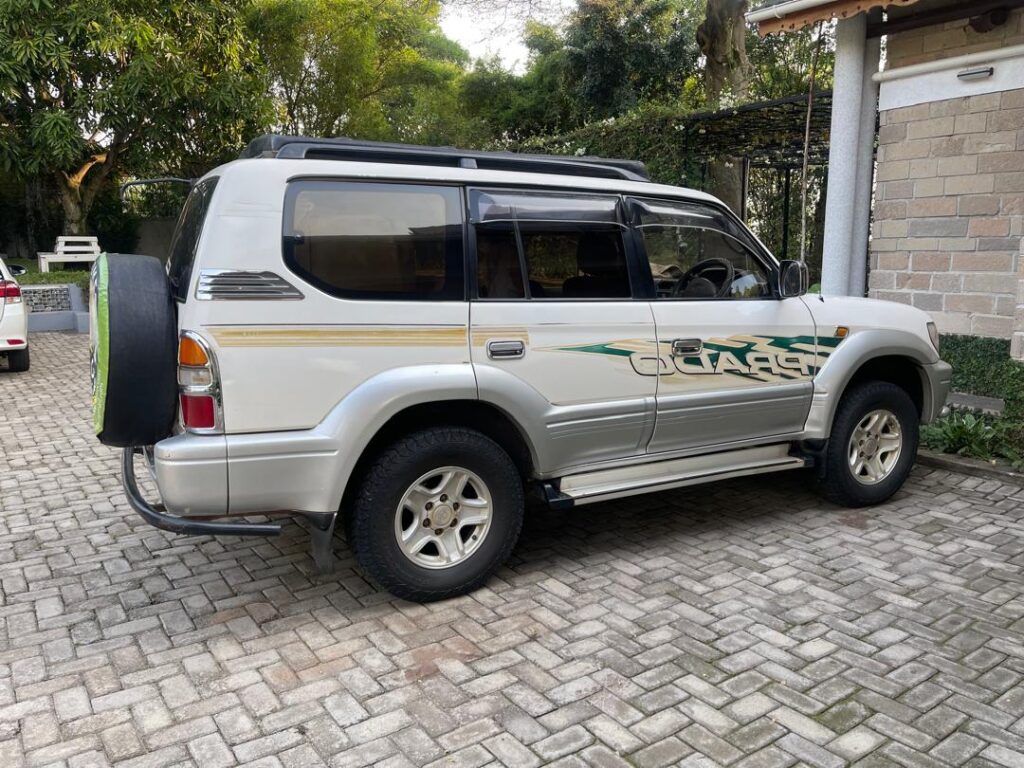
Uganda has two main rainy seasons, roughly March to May and September to November. During these periods, murram roads can become slippery and some routes may be difficult. If you travel in the rains, choose a 4×4, allow more time and ask your driver or the rental company about current road conditions on your route.
The dry seasons are generally easier for driving and better for wildlife viewing, which is why they are the busiest times for rentals.
Cross-Border Travel
If you plan to visit Rwanda, Kenya or another neighbouring country, tell the company at the time of booking. Cross-border travel requires specific permits, insurance and paperwork, and not every vehicle or company can arrange it. Never assume a car can cross a border without prior approval, since the consequences of an unauthorised crossing can be serious.
Breakdown and Support
Even well-maintained vehicles can have problems. Ask what happens if yours does. Will the company send a replacement? Is there a 24-hour contact number? Who pays for repairs caused by normal wear versus accidents?
Save the company’s phone and WhatsApp number before you leave. If your trip takes you to remote areas, also tell someone your itinerary.
Booking Checklist
Before you confirm, check that you have:
- A written quote and signed agreement
- The deposit and payment terms in writing
- Insurance details and excess amount
- Fuel, mileage and driver terms agreed
- A contact number for emergencies
- Pickup and drop-off times and locations confirmed
Final Thoughts
Car rental in Uganda rewards the traveller who asks good questions. Understand the quote, insurance, fuel and mileage, inspect the vehicle, and respect the roads, and your rental will be a smooth part of the trip rather than a source of worry.
Pearl Drive Car Rental, based in Kampala, provides clear written quotes and well-maintained vehicles for self-drive and driver-guided trips. To request a quote, email book@pearldrivecarrental.com or call +256750145548.
About the Author