Car rental Uganda changed a great deal in the last decade. What used to be a handful of informal arrangements is now a professional industry, with registered companies, insured vehicles and flexible packages for tourists, expatriates, business travellers and families. If you are planning a trip to the Pearl of Africa, renting a vehicle is one of the best decisions you can make. It gives you control over your schedule, your route and your budget.
This guide explains how car rental in Uganda works, the options available, what it costs, and how to choose a company you can trust.
Why Rent a Car in Uganda?
Uganda is a country of distances and detours. The best experiences are rarely in the same place: gorilla trekking in the southwest, the Nile at Jinja, tree-climbing lions in Queen Elizabeth National Park, and the waterfalls of Murchison. Public transport connects the major towns, but it will not take you to a national park gate, a lodge on a hill or a viewpoint you spotted from the road.
Renting a car solves this. You leave when you are ready, stop where you like, and carry your luggage without worrying about the next connection. For groups and families, it is also usually cheaper than paying for several separate bus or taxi fares.
Types of Car Rental Available in Uganda
Most companies, including Pearl Drive Car Rental, offer three main arrangements.
Self-drive rental. You collect the vehicle, drive it yourself and return it at the end of the hire period. This suits confident drivers who want full independence.
Car rental with a driver. A professional local driver comes with the vehicle. You relax, take photographs and enjoy the scenery while someone who knows the roads handles the driving, parking and navigation.
Airport pickup and drop-off. Many visitors begin their trip at Entebbe International Airport. A vehicle waiting on arrival removes the stress of finding transport after a long flight.
For most first-time visitors, a driver is worth serious consideration. Uganda’s roads are busy, and a local driver knows which routes are best at which time of day.
Choosing the Right Vehicle
The car you choose should match the trip you plan.
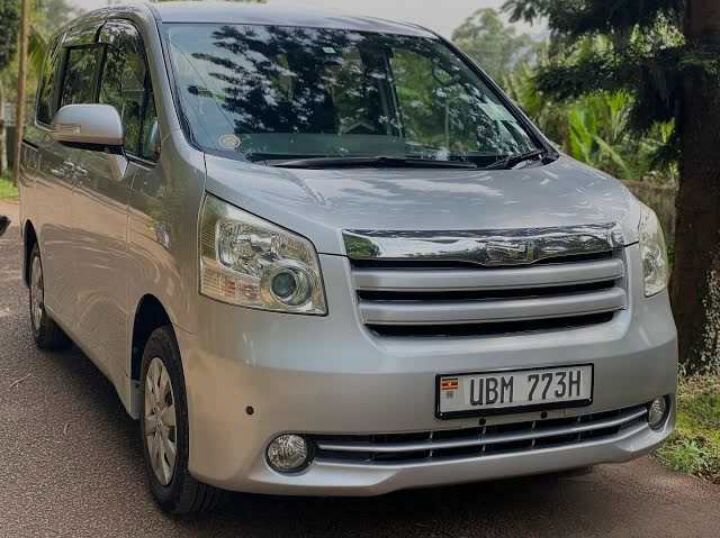
Saloon cars and small SUVs such as the Toyota RAV4 are comfortable and economical for Kampala, Entebbe, Jinja and other tarmac routes.
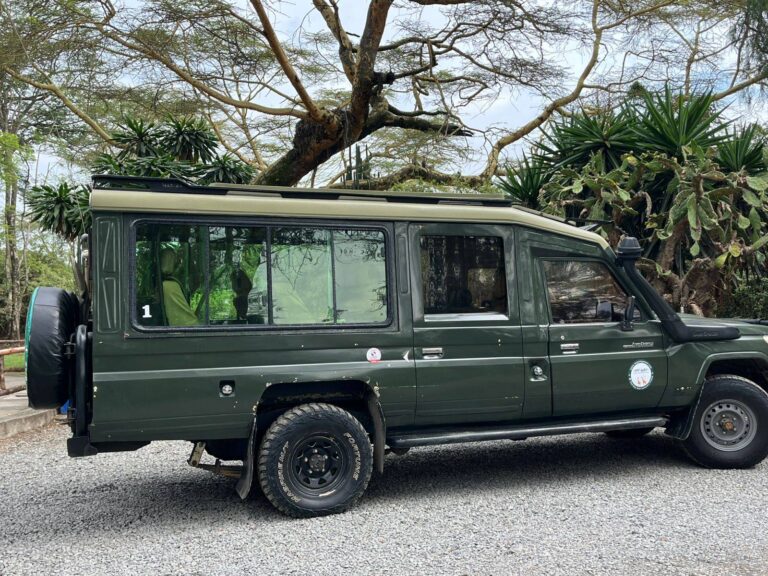
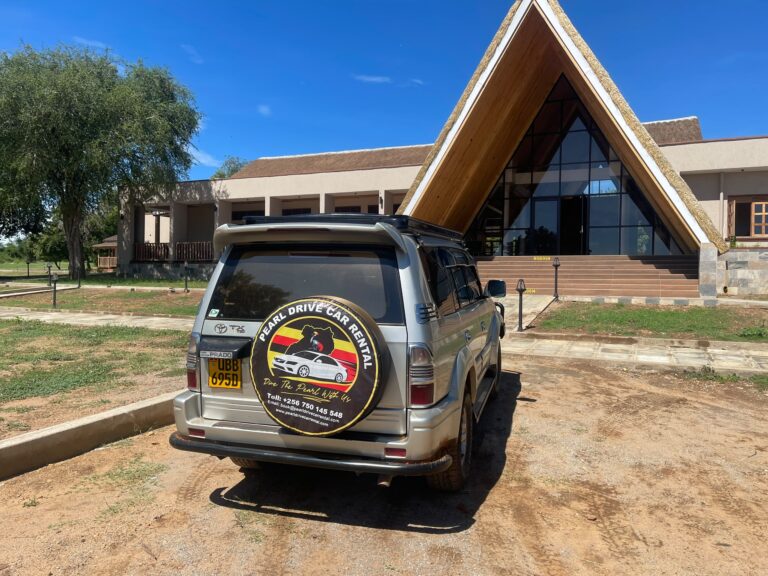
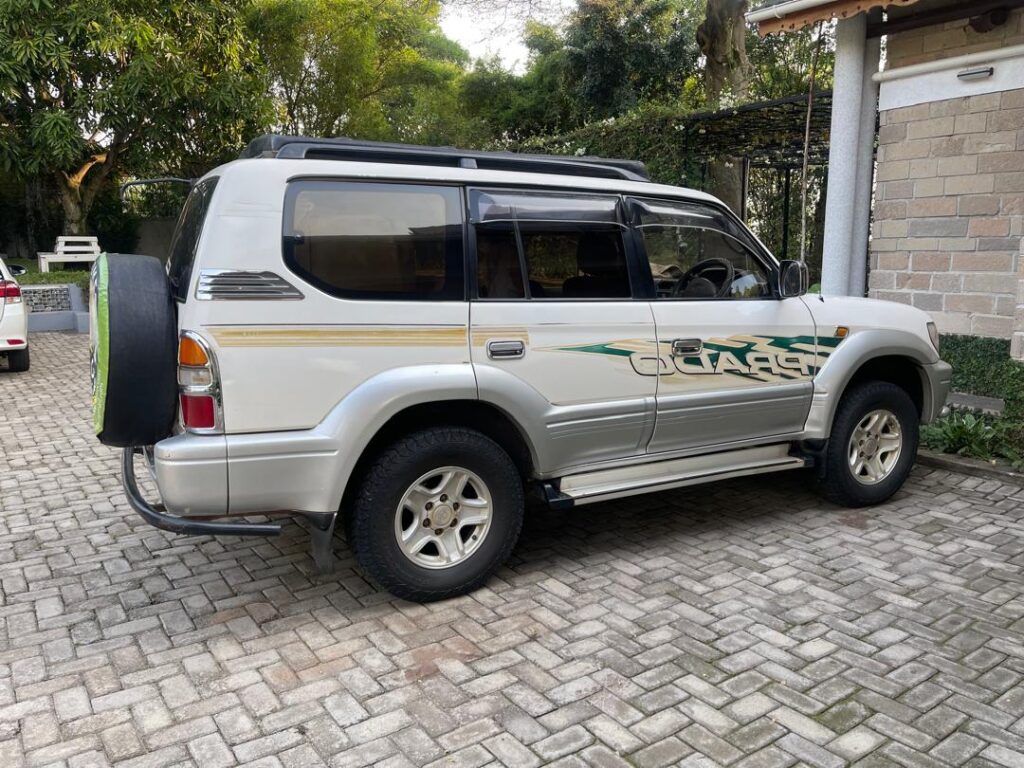
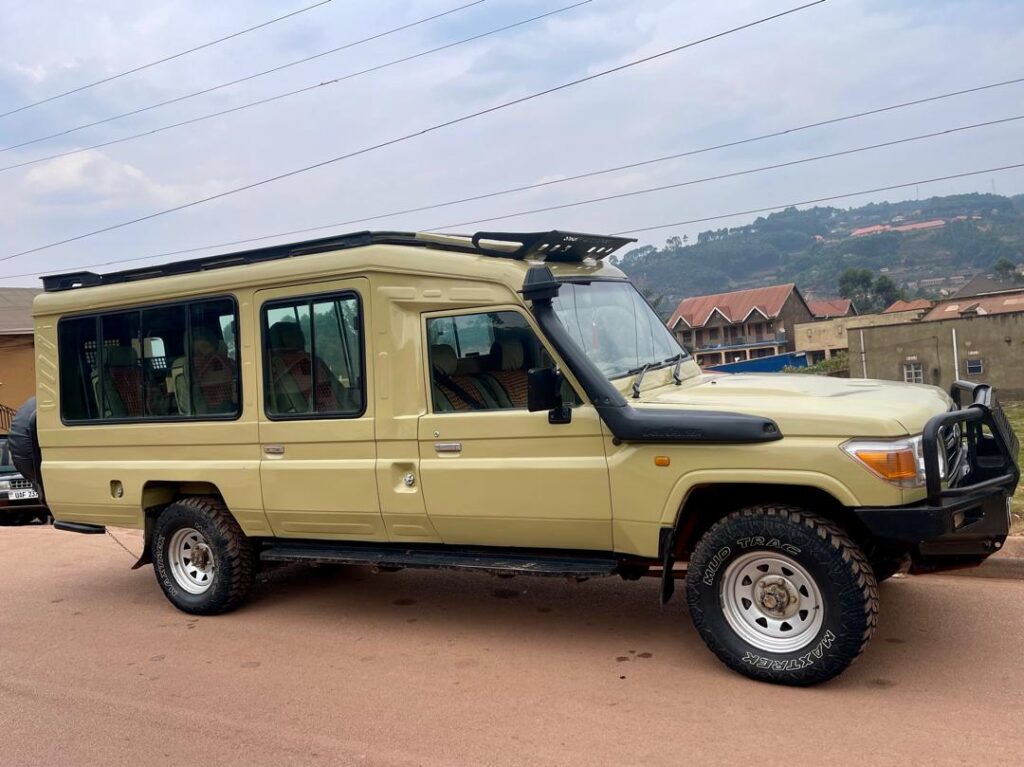
4×4 vehicles such as the Toyota Land Cruiser, Land Cruiser Prado TX and Mitsubishi Pajero are the standard choice for safaris. They handle rough park tracks, rain-soaked murram roads and steep hill sections with confidence.
Safari vans with a pop-up roof are popular for wildlife viewing because they give every passenger a clear view and room to stand and photograph.
Larger vans and coasters, such as the Toyota Coaster, suit corporate transport, school trips, weddings and big family groups.
If you are unsure, tell the rental company where you are going and how many people are travelling. A good company will recommend the right vehicle rather than the most expensive one.
Documents You Need to Rent a Car in Uganda
Requirements vary slightly between companies, but you should be ready with the following:
- A valid driving licence (for self-drive hire)
- Your passport or national ID
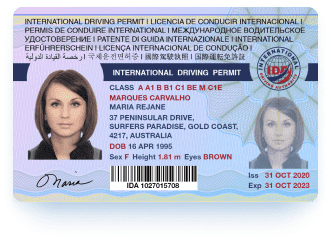
- An international driving permit if your licence is not in English
- A security deposit or an agreed payment arrangement
- A signed rental agreement
If you hire with a driver, the paperwork is simpler, since the company’s driver is responsible for the vehicle. Always read the rental agreement before you sign it, and ask about anything that is unclear.
How Much Does Car Rental in Uganda Cost?
Prices depend on the vehicle type, the length of the hire, the season, whether you choose self-drive or a driver, and where you are travelling. As a general rule:
- Saloons and small SUVs are the most affordable.
- 4×4 safari vehicles cost more because they are built for tougher terrain.
- Hiring a driver adds a daily fee, but it often covers the driver’s accommodation and meals, depending on the agreement.
- Longer rentals usually attract a lower daily rate.
- Peak tourist months, such as June to September and December to February, tend to cost more.
Fuel is normally not included in the daily rate, so budget for it separately. Ask each company for a clear written quote showing what is covered and what is not. A low headline price with hidden extras is rarely a bargain.
Insurance and Safety
A reputable rental company will provide vehicles with valid insurance and regular servicing. Ask what the insurance covers, what excess or deductible applies, and what happens if there is an accident or breakdown. Check that the vehicle has a spare tyre, a jack, a first aid kit and working seatbelts. It is also sensible to photograph the car before you leave, noting any existing scratches or dents.
Safety on the road is as much about habits as equipment. Avoid driving long distances at night, keep a safe distance from trucks and buses, and slow down for speed bumps in towns. Watch carefully for pedestrians, boda boda motorcycles and animals on the road.
Driving in Uganda: What to Expect
Uganda drives on the left. Main highways between major towns are generally tarmac and in reasonable condition, but secondary roads can be rough, especially in the rainy seasons of March to May and September to November. Traffic in Kampala can be heavy, particularly in the morning and evening, so plan your departure time with that in mind.
Fuel stations are common in towns but become scarce near some national parks, so fill up before you leave a major town. Mobile network coverage is good in most places, but a downloaded offline map is a useful backup.
Self-Drive or With a Driver?
Choose self-drive if you are an experienced driver, enjoy independence, and are comfortable navigating unfamiliar roads. It is also a good fit for long stays where you want to explore at your own pace.
Choose a driver if you are visiting for the first time, travelling on a tight schedule, or heading to remote national parks. Your driver doubles as a guide, helping with local knowledge, restaurant suggestions and the quickest route around traffic. For safaris, many travellers find that having someone else concentrate on the road lets everyone enjoy the wildlife.
Tips for Choosing a Car Rental Company in Uganda
Not every company is equal. Before you book, check these points:
- Is the company registered and does it have a physical office in Kampala or Entebbe?
- Are reviews recent and consistent?
- Is the fleet clean, modern and well maintained?
- Does the quote clearly show mileage limits, fuel policy, insurance and driver costs?
- Is support available by phone or WhatsApp during your trip?
A company that answers your questions honestly before you pay is usually one that will look after you once you are on the road.
Book Early in Peak Season
Good vehicles, especially 4x4s and safari vans, are booked well in advance in the high season. If you are planning a gorilla trekking permit or a lodge stay, confirm your vehicle at the same time. Booking early also gives you time to discuss your itinerary and arrange airport pickup.
Final Thoughts
Car rental Uganda is simple when you know what to look for. Match the vehicle to the journey, understand what the quote includes, check the insurance, and decide honestly whether self-drive or a driver suits you better. Done well, a rental car turns your trip from a series of transfers into a real journey.
Pearl Drive Car Rental is based in Kampala and offers self-drive and driver-guided vehicles, safari 4x4s, airport transfers, wedding cars and group vans. To get a quote for your trip, email book@pearldrivecarrental.com or call +256750145548.
About the Author