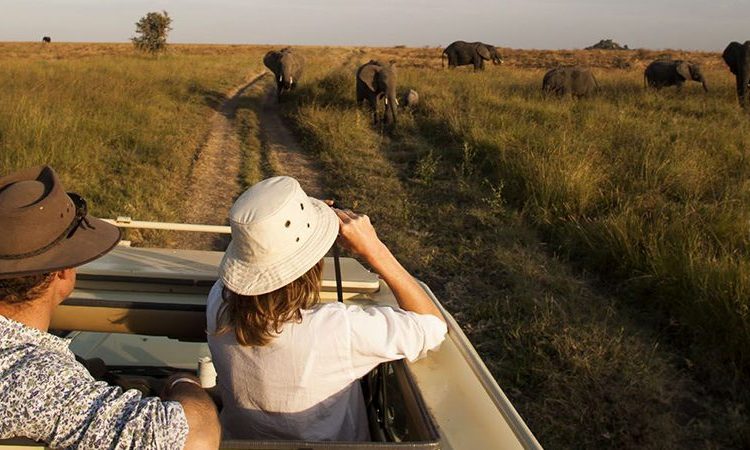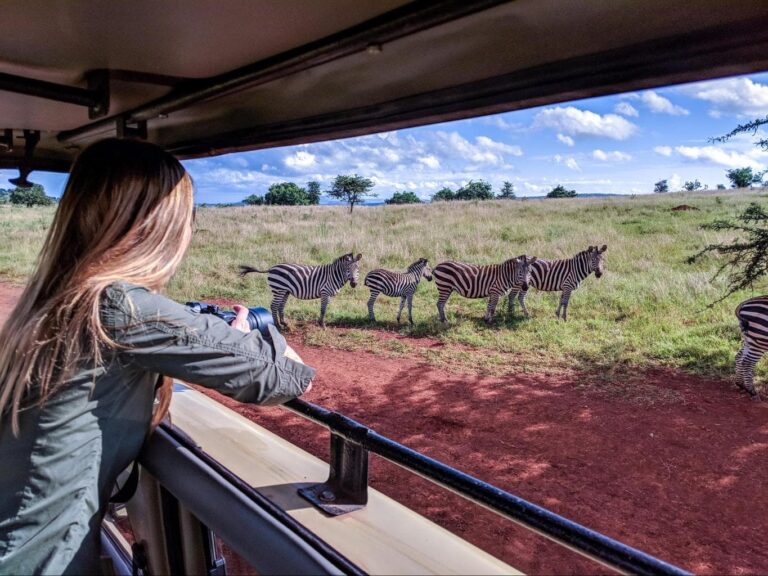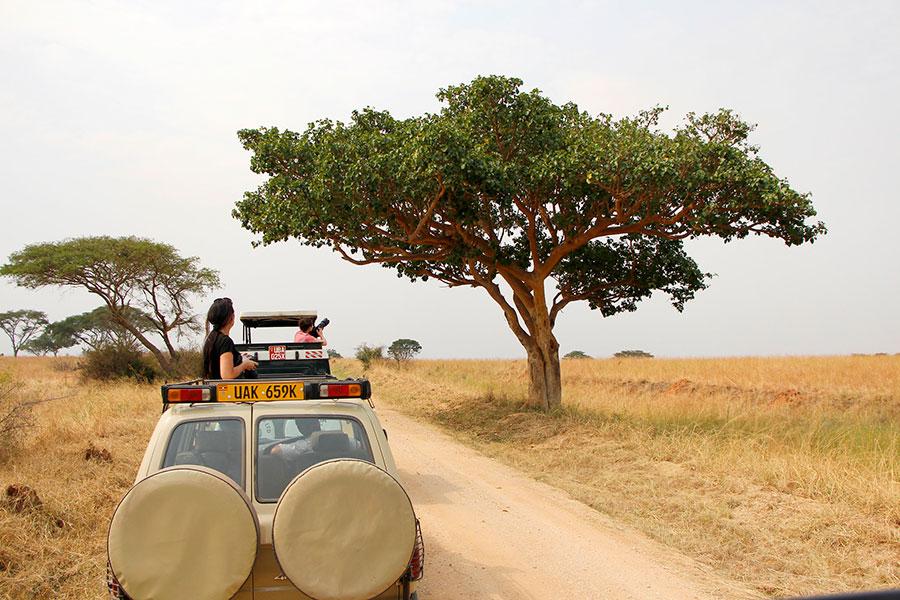
Uganda is one of the few places on earth where you can track mountain gorillas in misty rainforest, watch lions climb trees in the afternoon heat, and cruise along the Nile past pods of hippos, all within a single road trip. But timing matters. The season you choose to visit can shape everything from the quality of your wildlife sightings to the condition of the roads you’ll be driving on. If you’re planning a trip and wondering when to go, and what kind of vehicle you’ll need once you’re here, this guide walks you through it.

Uganda’s Two Main Seasons: Dry vs Wet
Uganda sits on the equator, so temperatures stay fairly consistent year-round. What changes is rainfall, and that has a bigger impact on your safari than you might expect.
The dry seasons run from December to February and June to September. These months bring firmer roads, easier game viewing, and generally more predictable travel conditions. Vegetation thins out during the dry months, which makes it easier to spot animals in parks like Murchison Falls and Queen Elizabeth. Wildlife also tends to cluster around rivers and waterholes when the ground dries up elsewhere, which works in your favor if you’re hoping for a productive game drive.
The wet seasons fall between March and May and October and November. Rain doesn’t mean your trip is ruined. In fact, the landscape turns a deep, photogenic green, birdlife is at its most active, and many lodges lower their rates. The tradeoff is that some rural and park roads become harder to navigate, particularly in remote areas like Kidepo Valley or the forest tracks around Bwindi.
This is where your choice of vehicle starts to matter just as much as your choice of dates.
Best Time for Gorilla Trekking in Bwindi
Gorilla trekking in Bwindi Impenetrable Forest is possible all year, since gorilla permits aren’t seasonal, but the trekking experience itself changes a lot depending on when you go.
The dry months of June through September and December through February are the most popular for trekking. Trails are less slippery, and the physical trek to find a gorilla family is generally more manageable. If you’re not used to hiking steep, muddy terrain, this window is worth prioritizing.
That said, trekking during the wetter months has its own appeal. Fewer tourists means smaller groups and a quieter forest. The forest floor is more difficult, so a sturdy 4×4 for the drive into the region becomes essential, especially on the unpaved sections leading toward the park entrances.
Best Time for Wildlife Safaris in Murchison Falls and Queen Elizabeth
For classic savannah safaris, the dry season is generally the stronger choice. In Murchison Falls National Park, the months of January, February, and again from June to September bring animals closer to the Nile as water sources elsewhere dry up. This is also when boat cruises along the river tend to offer the best sightings of hippos, crocodiles, and elephants coming down to drink.
Queen Elizabeth National Park follows a similar pattern. The Kasenyi Plains and the Ishasha sector, known for its tree-climbing lions, are easiest to explore when the ground is firm. During the wetter months, some of the tracks in Ishasha can become genuinely difficult without a capable vehicle, which is one of the reasons a Toyota Land Cruiser or Land Cruiser Prado TX tends to be the vehicle of choice for this part of the country.
Chasing the Big Cats in Kidepo and Kibale Chimp Trekking
Kidepo Valley, tucked away in Uganda’s northeast, is one of the country’s most remote and rewarding parks. It’s best visited in the dry season, from roughly November to March, when the semi-arid terrain is at its most accessible and wildlife congregates near the limited water sources. The drive up to Kidepo is long, and road conditions can vary, so a reliable 4×4 isn’t a luxury here, it’s a necessity.
Kibale Forest, home to Uganda’s chimpanzee trekking experience, is more forgiving year-round since the trekking itself happens on forest trails rather than open savannah. Still, the dry months make the trek more comfortable and the surrounding roads easier to manage.
Shoulder Seasons: Value and Fewer Crowds
If you’re flexible with your travel dates, the shoulder months just before and after the main dry seasons, think early December, late February, or early June, can offer the best of both worlds. Parks are less crowded, prices are often slightly lower, and the weather is usually a reasonable compromise between dry and wet extremes.
This is also a smart time to visit destinations like Lake Bunyonyi, where the terraced hills and calm waters are beautiful regardless of season, but where a quieter travel period means a more relaxed experience away from peak tourist traffic.
Why Your Choice of Vehicle Matters for Each Season
A lot of first-time visitors underestimate how much road conditions in Uganda vary by region and season. Tarmac roads connect the major towns, but many of the most rewarding safari destinations are reached via unpaved or seasonally affected roads.
During the dry season, a well-maintained SUV like a Toyota RAV4 can comfortably handle most standard routes, including trips to Lake Bunyonyi or shorter safari circuits. But once you’re heading into Murchison Falls, Queen Elizabeth, Kidepo, or Bwindi, especially during the wetter months, a proper 4×4 becomes the safer and more practical option.
This is one of the reasons Pearl Drive Car Rental keeps a fleet built specifically around Uganda’s terrain, from the Toyota Land Cruiser and Land Cruiser Prado TX to the Mitsubishi Pajero and dedicated safari vans for larger groups. Choosing the right vehicle for the season you’re traveling in isn’t just about comfort, it directly affects how much of the country you’re able to safely and comfortably see. If you’re still deciding between options for your specific route, our team can help you match a vehicle to your itinerary.
Booking Your Safari Car Hire in Advance
Uganda’s peak dry season months, particularly July, August, and December through February, are also the busiest for both accommodation and vehicle hire. Lodges fill up, gorilla permits sell out months in advance, and reliable 4x4s get booked early by tour operators and independent travelers alike.
If you already know your travel window, especially if it falls within the dry season, it’s worth arranging your car hire well ahead of time rather than waiting until you land in Uganda. This is especially true if you’re planning a multi-park circuit that includes remote regions like Kidepo or a full loop through the west.
Whether you’re planning a self-drive adventure or prefer a chauffeur to handle the navigation while you focus on the scenery, having a dependable, well-maintained vehicle lined up in advance takes one major variable out of your trip planning.
Final Thoughts
There’s no single “perfect” time to visit Uganda. It depends on what you’re prioritizing, gorilla trekking conditions, easier wildlife viewing, lower costs, or fewer crowds. What stays consistent across every season is the value of having the right vehicle for the terrain you’re heading into.
If you’re putting together a Uganda itinerary and want advice on which route and vehicle combination makes sense for your travel dates, reach out to our team. We work with travelers year-round and can help you plan a route that matches both the season and the kind of safari experience you’re after. You can also browse our full range of safari car hire options or get in touch directly at book@pearldrivecarrental.com.
About the Author