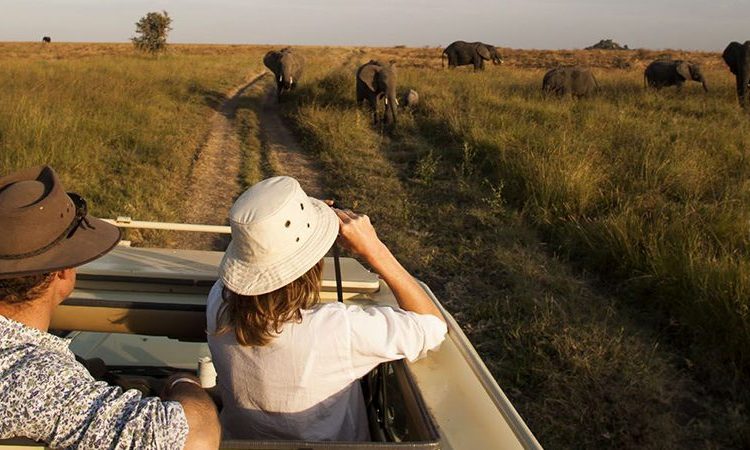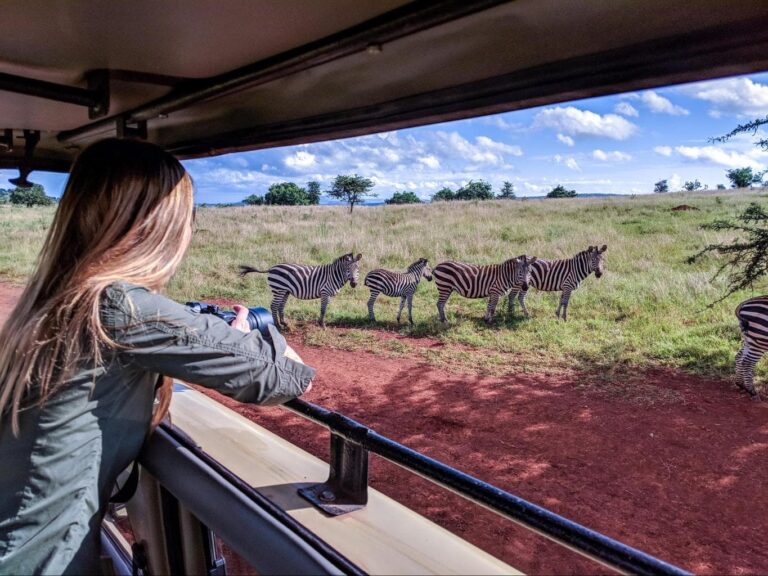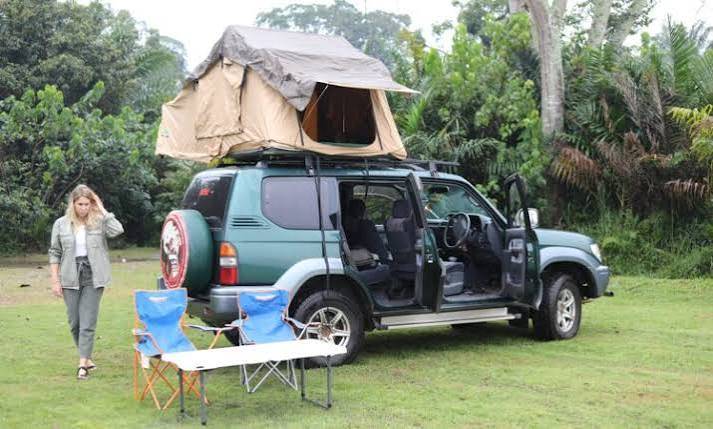
Driving in Uganda is an exciting experience that gives travelers the freedom to discover the country’s breathtaking landscapes, vibrant towns, national parks, and hidden attractions at their own pace. Whether you are planning a self-drive safari, renting a 4×4 for business travel, or exploring destinations like Bwindi, Murchison Falls, Queen Elizabeth National Park, or Jinja, understanding how to drive safely on Ugandan roads is essential.
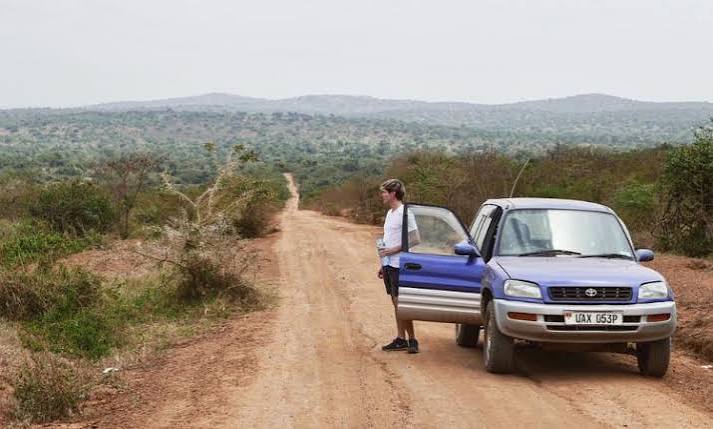
Uganda has an expanding road network that connects major cities and tourist destinations, but road conditions can vary greatly. While highways between cities are generally in good condition, rural roads, mountain routes, and national park tracks often require extra caution and the right vehicle.
This guide shares practical driving tips to help both local and international drivers stay safe while traveling across Uganda.
1. Understand Uganda’s Driving Rules
The first thing every visitor should know is that Uganda drives on the left-hand side of the road. This may take some adjustment for travelers coming from countries where vehicles drive on the right.
Before starting your journey:
- Always carry your valid driving license.
- International visitors should also carry an International Driving Permit (IDP) if required.
- Ensure your rental agreement and insurance documents are in the vehicle.
- Wear your seatbelt at all times.
- Make sure all passengers are also buckled up.
Driving while using a handheld mobile phone is illegal and dangerous. If you need GPS navigation, mount your phone securely before beginning your trip.
2. Choose the Right Vehicle
One of the biggest mistakes travelers make is renting a vehicle that isn’t suitable for their route.
If your itinerary includes destinations such as:
- Bwindi Impenetrable National Park
- Mgahinga Gorilla National Park
- Kidepo Valley National Park
- Rwenzori Mountains
- Lake Bunyonyi
- Mountain Elgon
- Pian Upe Wildlife Reserve
you should consider renting a 4×4 vehicle.
Popular options include:
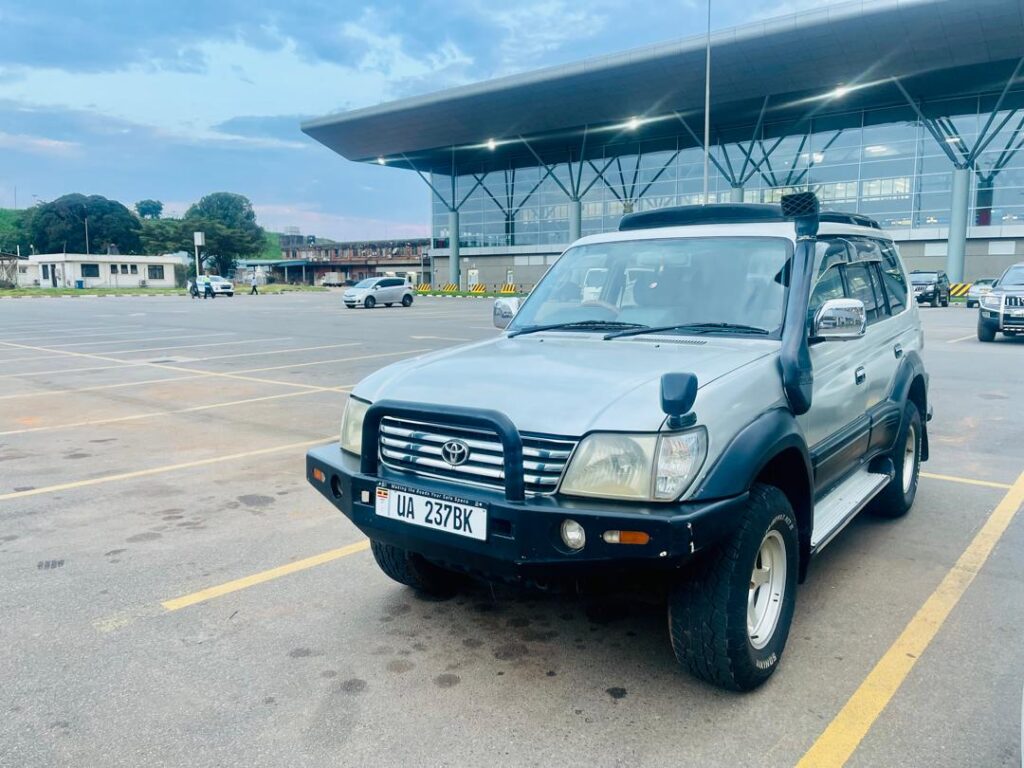
- Toyota Land Cruiser Prado
- Toyota Land Cruiser TX
- Toyota Rav4
- Land Cruiser V8
- Toyota Hilux
A 4×4 provides better traction on muddy roads, gravel surfaces, steep hills, and rough national park tracks.
3. Avoid Driving at Night
One of the most important safety recommendations in Uganda is to avoid driving after dark whenever possible.
Night driving increases the risk because:
- Some vehicles operate without proper headlights.
- Pedestrians often walk along roads without reflective clothing.
- Livestock frequently cross highways.
- Motorcycles (boda bodas) can be difficult to spot.
- Potholes become harder to see.
If your schedule allows, plan your travel between 6:00 AM and 6:30 PM. This provides better visibility and allows enough time to reach your destination before sunset.
4. Drive Defensively
Traffic conditions in Uganda can change quickly.
Expect:
- Sudden overtaking
- Unexpected stops
- Pedestrians crossing anywhere
- Motorcycles weaving through traffic
- Minibuses stopping without warning
Instead of assuming other drivers will follow traffic rules, maintain a defensive driving approach.
Always:
- Keep a safe following distance.
- Anticipate unexpected movements.
- Avoid aggressive overtaking.
- Stay patient during traffic congestion.
Defensive driving is one of the best ways to prevent accidents.
5. Watch Out for Boda Bodas
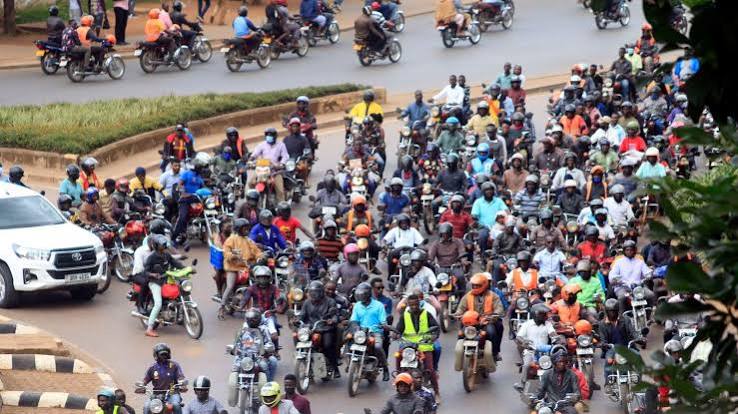
Motorcycle taxis, locally known as boda bodas, are everywhere in Uganda.
They are commonly used for:
- Passenger transport
- Deliveries
- Short-distance travel
Because they move quickly through traffic, drivers should constantly check mirrors before changing lanes or making turns.
Give boda bodas enough space and never assume they will stay in one lane.
6. Respect Speed Limits
Uganda has speed limits designed to improve road safety.
Typical speed limits include:
- Urban areas: 50 km/h
- Highways: 80–100 km/h, depending on the road
- School zones and trading centers: lower limits
Speed cameras and police enforcement are becoming more common.
Driving within the speed limit not only reduces the risk of accidents but also gives you more time to react to unexpected obstacles.
7. Be Prepared for Different Road Conditions
Road conditions vary significantly throughout Uganda.
You may encounter:
- Smooth tarmac highways
- Gravel roads
- Dirt roads
- Muddy sections
- Mountain roads
- Narrow village roads
During the rainy season, even roads that appear manageable can become slippery and difficult to navigate.
Reduce speed on gravel roads to prevent skidding and avoid sudden braking.
8. Check the Weather Before Traveling
Uganda experiences two major rainy seasons in many parts of the country.
Heavy rainfall can cause:
- Flooding
- Muddy roads
- Reduced visibility
- Landslides in mountainous regions
Before beginning a long journey, check the weather forecast and ask your car rental company about current road conditions.
If rain becomes too heavy, find a safe place to stop until visibility improves.
9. Keep Fuel Levels High
Fuel stations are common in major towns but may be scarce in remote regions.
Before heading to destinations such as:
- Kidepo Valley National Park
- Karamoja
- Bwindi
- Ishasha Sector
- Lake Mburo
- Semuliki National Park
fill your fuel tank whenever possible.
A good rule is never to let your tank fall below half when traveling in remote areas.
10. Inspect Your Vehicle Before Departure
Before leaving the rental office, inspect the vehicle carefully.
Check:
- Tire condition
- Spare wheel
- Jack
- Wheel spanner
- Headlights
- Brake lights
- Windshield wipers
- Horn
- Air conditioning
- Fuel level
Ask the rental company to explain any vehicle features you are unfamiliar with.
11. Stay Alert for Wildlife
Uganda’s wildlife is one of its greatest attractions, but animals can also appear on roads.
Be especially cautious near:
- Murchison Falls National Park
- Queen Elizabeth National Park
- Lake Mburo National Park
- Kidepo Valley National Park
Animals may cross unexpectedly, especially during early morning and evening hours.
Never speed through national parks.
Respect park regulations and remain on designated roads.
12. Avoid Distracted Driving
Driving while distracted significantly increases accident risk.
Avoid:
- Texting
- Browsing social media
- Eating while driving
- Searching for items inside the vehicle
If you need to make a phone call, pull over in a safe location.
13. Plan Your Route in Advance
Before beginning your trip:
- Download offline maps.
- Save hotel locations.
- Know your fuel stops.
- Estimate travel time.
- Identify rest breaks.
Some rural areas have weak mobile network coverage, so offline navigation is extremely useful.
Planning also reduces unnecessary stress during long journeys.
14. Be Careful When Overtaking
Not every road is suitable for overtaking.
Only overtake when:
- The road ahead is completely clear.
- You have enough visibility.
- Road markings permit overtaking.
- There is sufficient distance to return safely.
Never overtake:
- On hills
- Around bends
- Near pedestrian crossings
- At junctions
Patience saves lives.
15. Keep Emergency Contacts Handy
Always keep important numbers readily available.
These may include:
- Your car rental company
- Roadside assistance
- Your accommodation
- Family members
- Emergency services
Most reputable car rental companies in Uganda provide 24-hour roadside support.
If you experience a breakdown, contact the rental company before attempting major repairs.
16. Take Regular Breaks
Uganda is larger than many visitors expect.
Some common driving times include:
- Kampala to Murchison Falls: 5–6 hours
- Kampala to Bwindi: 8–10 hours
- Kampala to Kidepo: 10–12 hours
Long hours behind the wheel can lead to fatigue.
Stop every two to three hours to:
- Stretch
- Drink water
- Eat a light snack
- Rest your eyes
Fatigue reduces reaction time and increases accident risk.
17. Respect Local Communities
Many roads pass through villages and trading centers.
Slow down when entering populated areas because:
- Children may cross unexpectedly.
- Cyclists share the road.
- Livestock often wander freely.
- Market activity can spill onto the roadside.
Driving carefully helps protect local communities and enhances your travel experience.
18. Keep Valuables Out of Sight
Whether you’re driving in Kampala or stopping along the highway, avoid leaving valuables visible inside the vehicle.
Store:
- Cameras
- Laptops
- Passports
- Cash
- Phones
inside the glove box, under seats, or in the trunk whenever possible.
When parking, choose secure, well-lit locations.
19. Follow Rental Company Advice
If you have rented a vehicle, your rental company understands current road conditions better than most visitors.
Listen to their advice regarding:
- Safe routes
- Road closures
- Fuel availability
- Weather conditions
- Vehicle operation
Their local knowledge can help you avoid delays and unnecessary risks.
20. Stay Calm and Patient
Traffic in cities like Kampala can be busy, particularly during rush hours.
Instead of becoming frustrated:
- Stay patient.
- Leave earlier for appointments.
- Avoid unnecessary risks.
- Drive courteously.
A calm driver makes better decisions and contributes to safer roads for everyone.
Final Thoughts
Driving in Uganda can be one of the most rewarding ways to explore the country’s incredible scenery, wildlife, and cultural attractions. From the bustling streets of Kampala to the scenic roads leading to Bwindi, Murchison Falls, Queen Elizabeth National Park, and the Source of the Nile in Jinja, every journey offers something unique.
Safety should always come first. Choosing the right vehicle, avoiding night driving, respecting speed limits, staying alert to changing road conditions, and planning your route carefully will make your trip smoother and more enjoyable.
To book a rental car in Uganda , just contact us now or send to email: book@pearldrivecarrental.com and speak to us direct
About the Author